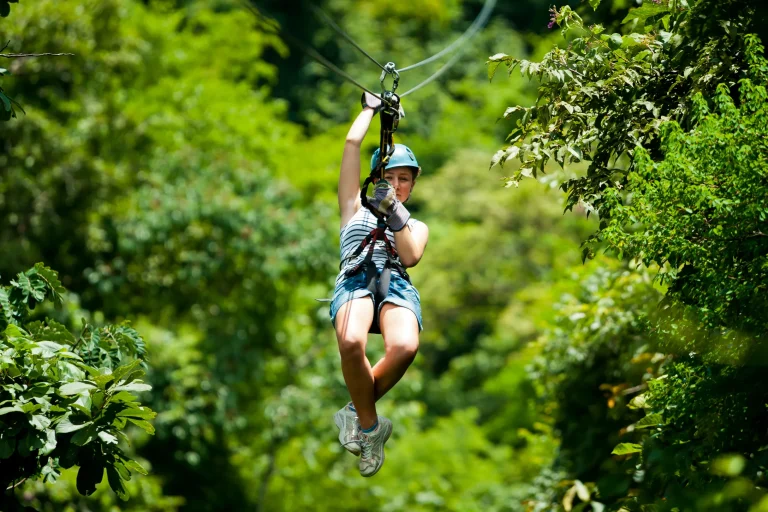
Roughly 1 in 3 first time zipliners say their legs feel surprisingly sore afterward. You step off the last platform with the cable still humming in your ears and your thighs buzzing like you just climbed a stadium. Your harness may leave warm pressure lines and your calves can feel tight in your shoes. Before you limp toward the snack stand, you’ll want a quick plan to tell normal soreness from a real problem and start recovery fast.
Key Takeaways
- Elevate your legs above heart level for 10–20 minutes soon after ziplining to reduce pooling, swelling, and soreness.
- Apply a cold pack to hot spots for 10–15 minutes, off 10–15 minutes, repeating as needed; use a thin towel barrier.
- Rehydrate steadily with water plus electrolytes; aim ~8 oz every 15–30 minutes and include sodium if you sweated heavily.
- Do gentle movement after resting: ankle pumps, an easy walk, or light cycling to restore circulation and reduce stiffness.
- Check for red flags like sharp pain, swelling, bruising, joint pain, numbness, or lost function; seek medical advice if worsening after 48–72 hours.
Rule Out Injury vs Normal Soreness
After you’ve zipped between treetops and heard your harness creak on the line, it’s normal to wonder if those wobbly legs mean trouble or just a good workout. If the ache waits about 8 hours, then peaks the next day or two, you’re likely feeling delayed onset muscle soreness from all that bracing on the platform. On North Shore courses, backup safety systems like secondary harness attachments can add a little extra bracing and tension that may leave your legs feeling more worked than you expected.
Check how your legs behave in real life. Can you walk, bend, and do a slow sit to stand with only dull discomfort? Good sign. Sharp pain that hit mid ride, pain parked in a joint, swelling, or bruising points to injury. If you lose range, feel unstable, or can’t handle daily tasks, or it worsens after 48 to 72 hours, call a clinician before you book again.
Elevate Your Legs for 10–20 Minutes
When you finally kick off your shoes and feel that faint buzz in your calves, give your legs a quick upgrade by lifting them above your heart for 10 to 20 minutes. Prop your heels on pillows or a jacket and watch your shins soften as fluid drains upward. Do this within the first hour after your ride to cut pooling that feeds achiness and helps reduce inflammation. If you’re still outside or waiting around, look for shade and sip water to stay cooler and more comfortable while you recover. Breathe slow and deep into your belly. You’ll feel your shoulders drop and circulation pick up, improving flow to the muscles and nudging waste out. If your back complains, lie flat and support your legs at a 30 to 45 degree angle. When time’s up, add ankle pumps, then take an easy lap to wake them.
Hydrate After Ziplining (How Much to Drink)
After you unclip your harness and your legs stop buzzing, start with a simple water rule: drink about 8 ounces for every 15 to 30 minutes you were zipping and sweating. If you weighed in before and after, match it more precisely with about 8 ounces for every pound you lost, and sip a glass every 30 minutes so your stomach doesn’t protest. Keep an eye out for dehydration signs like dark pee, a dry mouth, or a headache, and add electrolytes if you soaked your shirt or stayed out over an hour. Since you likely carried a bottle from your zipline packing list, finish it off during the ride back and refill once you’re on the ground.
Water Intake Rule
Often the real challenge starts once you’ve clipped out and your legs begin that familiar heavy buzz. Your water intake rule is simple: for every 15 to 30 minutes you spent flying line to line, drink water about 8 ounces. Don’t chug it like a victory beer. Sip a glass, 200 to 250 ml, every 20 to 30 minutes so your body can rehydrate steadily and rinse out that burn.
If you need a little lift without weighing your stomach down, pair your fluids with light, energizing foods instead of anything greasy or heavy.
If the day was hot, the harness got sweaty, or you heard cramps whispering, add an electrolyte drink to bring back sodium and potassium. Keep sipping for a few hours on the ride home. Pair it with a protein snack like yogurt or jerky to help your leg muscles repair before you tackle stairs.
Still comparing What To Do After Ziplining: Easy Recovery Tips For Sore Legs?
Ask for tour ideas, hotel suggestions, or a simple trip plan that combines both.
Trip Helper
Weigh In, Rehydrate
Even if the last platform felt like a breeze, your body still pays the bill in sweat, so make hydration a quick little ritual.
Stash a fully charged cell phone and a backup battery with your water so you can call or text 911 if dehydration turns into an emergency on the trail back.
| Check | What you lost | What to drink |
|---|---|---|
| 1 lb | scale drop | 8 oz water |
| 30 min | active time | 8 oz water |
| heavy sweat | salty shirt | electrolytes |
Weigh in pre and post. For each pound lost, drink 8 ounces of water to rehydrate. Use the time rule: 8 ounces for every 15 to 30 minutes on course. Sip every 15 to 30 minutes to reduce inflammation. Soaked shirt? Add electrolytes or a pinch of salt. Aim for 2 to 3 liters over 24 hours.
Signs Of Dehydration
Your water plan doesn’t end when you clip off the last harness, so take one more quick check before you hop in the car. After the last whoosh of the line, scan for early dehydration signs:
- thirst or a sticky dry mouth
- dizziness, lightheadedness, or a dull headache
- dark yellow urine or hardly any bathroom stops
Some riders also feel dizzy from motion sickness, so rehydrate and rest until your balance fully returns. If you rode for 1 to 2 hours, aim for 32 to 64 ounces of water afterward, about 8 ounces per 15 to 30 minutes of activity. If you weighed in, drink 8 ounces for each pound you lost. Notice muscle cramps or heavy fatigue? Add electrolytes with a sports drink or salted water so your legs recover and your next step feels springy on the trail tomorrow.
Replace Electrolytes (Water + Sodium)
After you hop off the zipline and your legs start to thrum, don’t just chug plain water and call it good. Sweat shrinks plasma volume and drags sodium out with it, so rehydration feels smoother when you add electrolytes. Mix 500–700 mg sodium into 16–20 oz water. If you’re recovering at the shore afterward, remember that drowning is preventable when you know your limits and stick to lifeguarded beaches. If you sweated hard, weigh before and after and drink about 8 oz fluid plus 1/4–1/2 tsp salt for each pound lost. An oral rehydration sports drink or powder with 300–700 mg/L sodium and a little carb solution absorbs quickly. Skip huge plain-water gulps. That can invite cramps afterward too.
| Situation | What you do |
|---|---|
| Mild | Water + salt |
| Moderate | 16–20 oz + 600 mg Na |
| Heavy | 8 oz + 1/2 tsp per lb |
| Fast fix | ORS drink |
Eat Protein + Carbs Within 1 Hour
Grab a snack within the first hour and let it do some quiet repair work while you’re still brushing dust off your shoes. Aim for 20–30 g of protein plus 30–60 g of carbohydrates to patch tiny muscle tears and top off glycogen, the fuel your legs just spent. This timing boosts muscle protein synthesis, so tomorrow’s stairs feel less like a cliff. If you filmed your ride, remember phone safety strap habits can prevent a post-zipline drop while your hands are still shaky from the adrenaline.
Refuel within an hour: 20–30 g protein and 30–60 g carbs to rebuild, restore glycogen, and make tomorrow’s stairs gentler.
- Chicken and quinoa bowl you can eat in the parking lot
- 8–12 oz chocolate milk with a banana, cold and sweet
- Turkey sandwich on whole-grain bread, crunchy and portable
If a full meal won’t happen, mix a shake with 20–30 g whey or plant protein and grab fruit. Keep the carb-to-protein ratio near 2:1 or 3:1 after longer runs next time.
Use Cold Right After Ziplining
Right after you unclip from the line and your legs start to throb, press an ice pack or cold compress on the sore spots for 10 to 15 minutes so swelling stays in check. If there’s a cool shower or cold plunge nearby, grab 5 to 10 minutes within the first hour and enjoy that sharp, clean chill that quiets the ache fast. Keep it simple and repeat cold in short intervals every hour or two on day one, because you’re recovering not trying to turn into a popsicle. If your soreness seems more like an injury or you need guidance, call the Red Cross HEATLINE at 1‑800‑RED‑CROSS (800‑733‑2767) for assistance.
Ice Early, Reduce Swelling
While the last helmet clicks shut and the forest hum still rings in your ears, you can get ahead of sore legs by going cold fast. Within 10 to 20 minutes, press an ice pack on hot spots or use a quick cold water soak to calm swelling and numb that sharp, post-landing sting. Cold helps reduce muscle irritation from tiny tears, not your pride. If you’re dealing with back or joint issues, go extra gentle with your recovery and avoid any movements that aggravate your knee, shoulder, or lower back after landing.
- Ice 10 to 15 minutes, then off 10 to 15, and repeat
- Keep a thin towel between ice and skin so you don’t overdo it
- Refill fluids: about 8 oz per pound you lost, so circulation can sweep out waste
Skip heat today. Save warm packs for 24 to 48 hours later, when soreness settles in by tomorrow morning.
Quick Cold Plunge Options
Stepping off the last platform with your legs still humming, you can put cold to work within the next 30 to 60 minutes. If there’s a tub nearby, take a 10 to 15 minute cold plunge at 10 to 15°C (50 to 59°F). The water stings, then swelling calms.
If you’re heading onto trails afterward, watch for mud and hazards after a wet week so sore legs don’t turn a slippery step into a fall.
No tub? Press ice packs on calves and quads for 10 to 15 minutes and repeat every 2 to 3 hours today. Drink water too, about 8 ounces per 15 to 30 minutes of exercise. Traveling light, use contrast showers: 30 seconds cold, 2 to 3 minutes warm, 3 to 5 cycles. Avoid long soaks or cold water if you have heart issues, Raynaud’s, or POTS. Finish with active recovery and a protein carb snack.
Use Heat Starting the Next Day (DOMS)
Once the first 24 hours have passed and that deep, stair-climbing soreness starts to bloom, switch your recovery plan to heat. This is peak DOMS, when tight quads and calves feel like overcooked noodles. Skip heat on day one, but now you can apply moist heat to boost blood flow and send fresh nutrients to those stressed fibers. If your legs got extra taxed on a tour with high zipline speed, expect DOMS to feel more intense and give yourself a little more recovery time.
- Soak in a warm bath near 104°F (40°C)
- Use a hot pack on sore spots for 15–20 minutes
- Keep the temperature comfy, not scorching
Listen to the faucet hiss and let the warmth sink in slowly today. You’ll notice stiffness loosening and your legs bending easier. At night, pair a bath with 20–30 g of protein before bed. It’s simple hotel-room science, minus the lab coat.
Do Active Recovery: Walk or Easy Cycling
Keeping your legs moving is the sneaky trick that makes tomorrow feel less like a stair-climbing penalty. Within 8 to 24 hours after ziplining, take a 20 to 30 minute walk at an easy pace. Listen to your steps on the sidewalk and let that gentle rhythm increase blood flow so your body can sweep out the gritty leftovers that fuel soreness. If you were tense on the tour, remember that comfort from guides can help you stay relaxed and reduce the leg-bracing that adds to soreness.
If you’d rather roll, hop on a bike for 15 to 30 minutes at a conversational pace, under 60 percent effort. Keep your heart rate around 50 to 65 percent max. That’s classic active recovery. Drink about 8 ounces of water every 15 to 30 minutes, and replace 8 ounces for each pound you drop. You’ll feel looser before your next adventure.
Stretch Gently: Don’t Push Pain
After you unclip your harness and your legs stop buzzing like they just did a thousand tiny squats, give them a gentle stretch that feels more like a sigh than a test. Light stretching helps blood move through sore muscles without picking a fight with them. Hold each hamstring, quad, calf, and glute stretch for 20 to 30 seconds. Breathe in, then exhale as you ease a hair deeper for two or three slow breaths.
- Move slowly and stay steady, no bouncing.
- Stop if pain turns sharp or keeps rising.
- If you’re too tender, try easy ankle, knee, and hip circles instead.
If anything feels off from the ride, pinching, numbness, or rubbing that lingers, treat it as a harness fit cue and speak up before your next run. Go for mild tension, not sharp pain. Remember DOMS often peaks 24 to 48 hours later, so keep it calm and curious.
Foam Roll Calves, Quads, and Glutes
Often, a foam roller feels like the simplest tool that can still talk back. Give each leg 10 to 15 minutes. Roll slow and steady, about 2 to 4 inches per second, and do 8 to 12 passes per area. When you hit a tender knot, pause 20 to 30 seconds and breathe. If ziplining was your first time, the beginner ziplining braking and landing stance can leave your lower body feeling extra tight the next day.
For calves, sit with the roller under your lower leg and roll from just below the knee to the Achilles. Rotate your ankle to find new fibers. For quads, lie face-down and roll from the top of the knee to the hip. Keep your core on. For glutes, park the roller under one cheek, cross that ankle over the other knee, and glide from sacrum to outer hip, not your spine.
Try a Brief Massage for Tight Spots
When your calves or quads feel like they’ve been tied in little rope knots after ziplining, try a 5 to 10 minute self-massage with firm thumb pressure or a massage ball. You’ll boost circulation and help your muscles clear out the gunk, and you can target tight trigger points by holding steady pressure for 20 to 30 seconds until they soften. Then slide slowly along the muscle instead of scrubbing fast, and if sharp pain or bruising shows up, ease off because you’re recovering not auditioning for a tough-guy contest. And next time you’re on the line, keeping a relaxed hand posture can help you look more natural in photos and avoid unnecessary grip tension.
Target Knots And Trigger Points
Even if the canopy tour felt like pure flight, your legs might come back to earth with a few tight, pebble-like knots in the calves, hamstrings, or glutes. Treat those muscle knots like tiny traffic jams. Use your thumbs or a massage ball and settle on one trigger point with steady, moderate pressure for 20 to 30 seconds until tenderness eases. Practicing slow breathing, one of the most effective fear of heights techniques, can also help your body relax while you work on a tight spot.
- Pick one muscle group and work 5 to 10 minutes.
- Repeat pressure, release, and breathe. Skip fast rubbing.
- Finish with a 5 to 10 minute easy walk, then add gentle stretching or a quick foam roll.
Try this within 24 to 48 hours when soreness peaks. If sharp pain blocks motion or sensitivity lingers for days, stop and get checked by a pro.
Boost Circulation With Pressure
Sometimes the fastest way to get your “land legs” back after a zipline run is simple pressure and a short, focused massage. Spend 5 to 10 minutes on sore calves and thighs with your thumbs or a massage ball. Use firm pressure that increases blood flow and nudges fluid out of pockets. Linger on one tender spot for 30 to 60 seconds. Hold until it softens, often within 20 to 45 seconds, then glide slowly along the muscle. Since ziplining often involves muddy landings and uneven approaches, shoes with solid grip and traction can help reduce extra lower-leg strain that leads to post-run tightness.
If you’ve got a foam roller, take 5 to 10 minutes for slow passes on quads and hamstrings to keep tissues moving. Pull on snug leggings or a compression sleeve for 10 to 20 minutes afterward. Skip painful digging. Stop for any sharp pain or numbness.
Quick Self-Massage Techniques
After a zipline run, a quick self-massage can feel like hitting the reset button on calves and quads that got cranky on the platforms. Use your thumbs or knuckles and glide slow and firm toward your heart for 60 to 90 seconds per muscle. You’ll boost blood flow and help sweep out that post-adventure grit.
- Hunt for a knot, press gently, and hold 20 to 30 seconds
- Roll first with a foam roller, then massage for 5 to 10 minutes per leg
- Finish with light stretches so the new looseness sticks
If you like, dab on a menthol cooling ointment for a fresh breeze effect. It won’t speed tissue repair, but it can make muscle recovery feel easier. In humid tropical air, wipe off sweat and ointment residue afterward to prevent lens fog and keep gear surfaces clean. Notice the quiet pop of release.
Use Topicals for Comfort Only
Something about rubbing on Tiger Balm or BenGay feels like a travel souvenir for your legs, all minty burn and cool tingle in a hotel room. You swipe on topical ointments and the skin wakes up, like your calves just stepped into mountain air.
Just remember the sensation is the point. Think of them like a safety briefing in plain English: helpful for comfort and clarity, but not a substitute for what’s actually happening in the deeper muscle. These creams work on surface nerves, so they can mask post-workout muscle soreness but they don’t penetrate into the deeper muscle that’s repairing itself. Apply a thin layer on intact skin and rub until it disappears. Skip scrapes, eyes, and anything near your mouth unless you enjoy regret. The comfort fades fast, so pair it with water, a protein snack, and a walk. If pain stays sharp or grows, stop and get checked.
Sleep 7–9 Hours to Recover
After ziplining, you’ll recover faster if you guard 7–9 hours of solid sleep, when your body’s repair crew works best in deep quiet. Set a steady bedtime and wake time, then build a simple wind-down with dim lights and no screens for about an hour so your mind stops buzzing like a pulley on the line. For overnight muscle repair, take a light protein snack like Greek yogurt, keep the room cool at 60–67°F, and cut noise so you don’t keep waking up to phantom jungle sounds.
Set A Consistent Schedule
Often, the best fix for sore zipline legs isn’t a fancy gadget. It’s a steady sleep schedule. Pick a wake time you can keep, even after your trip, then back up 7–9 hours to set bedtime. When you keep the same clock cues, your body releases more growth hormone at the right time and muscle repair runs smoother. You’ll notice less morning stiffness and more spring in your steps.
- Choose a realistic wake time and set an alarm for bedtime too
- Keep weekends within one hour so your rhythm doesn’t wobble
- Track how your legs feel after two nights of quality sleep
Treat sleep like your next booking. It buys you better recovery time, no souvenir soreness before you chase your next canopy view.
Build A Bedtime Routine
Because your legs do their best repair work while you’re asleep, a simple bedtime routine can feel like the most practical piece of gear you packed. Set your wake time, then back up 7 to 9 hours and treat that bedtime like a shuttle pickup. For 30 to 60 minutes beforehand, dim the lamps, hush the room, and put your phone on a red filter or away. Do a few easy calf and quad stretches, then breathe slow until your shoulders drop. Keep the bedroom cool, dark, and quiet so sleep stays deep. Skip late coffee and go easy on alcohol, since choppy nights can drag out soreness and slow muscle repair. Keep it up for nights post-zipline so growth hormone does its job.
Support Overnight Muscle Repair
While your harness is back on the rack and the last trolley clink fades from your ears, your legs start their real rebuild during a solid 7 to 9 hours of sleep. Deep sleep is when growth hormone rises and kicks off muscle repair, so protect that window like tomorrow’s trail pass.
- Keep your room cool at 60–67°F and dim lights an hour before bed.
- Skip late caffeine and go easy on alcohol so you don’t chop up slow-wave sleep.
- Take a small protein snack, 20–40 g, like Greek yogurt or a casein shake.
Set the same bedtime and wake time tonight, even on vacation. You’ll wake up with less stiffness and more spring, ready to trade soreness for another view by breakfast tomorrow.
Prevent Soreness on Your Next Zipline Day
Planning ahead turns your next zipline day into a smoother ride, not a next-morning shuffle down the hotel hallway. Start hydrated and sip 8 ounces of water every 15 to 30 minutes as cables hum overhead. No cramping, just grins. Eat 2 to 3 hours before you clip in. Aim for 20 to 30 grams of protein plus carbs, like quinoa with chicken and veggies. Do a 10 to 15 minute dynamic warm-up with leg swings, walking lunges, and a light jog. Between runs on long courses, stroll easy and snack within an hour after, like chocolate milk or peanut butter toast and an apple. End with a 10 minute walk and quad, hamstring, and calf stretches for muscle recovery and to prevent soreness.
Frequently Asked Questions
Can I Take Ibuprofen or Naproxen After Ziplining for Leg Pain?
Yes, you can take them for soreness. Follow ibuprofen timing: 200–400 mg 4–6 hours. Take with food. Note naproxen interactions, don’t mix NSAIDs, and ask a clinician if you’ve ulcers, kidney/heart issues, or take blood thinners.
When Can I Resume Running, Squats, or Heavy Leg Workouts After Ziplining?
You can resume light running or squats in 24–48 hours if soreness is mild; wait 48+ hours for heavy legs. It’ll feel like a million miles! Use movement screening, then a gradual return at 50–70%.
Are Compression Socks or Sleeves Helpful for Zipline-Related Leg Soreness?
Yes, compression socks or sleeves can help your zipline sore legs by boosting venous return and reducing swelling. Use moderate compression garments (15–20 mmHg) right after. Pair graduated sleeves with walking, hydration; stop if numbness.
What Should I Do if I Have Bruising or Swelling From the Harness?
Apply a cold pack 10–20 minutes every 1–2 hours for 24–48 hours, elevate, and avoid tight straps. Check harness fit next time; prioritize skin care. Use ibuprofen if safe; seek care for worsening symptoms quickly.
Is It Normal to Get Knee Pain After Ziplining, and When Should I See a Doctor?
Yes, it’s normal, your knees may “whisper” after platforms and landings, affecting knee stability or mild nerve irritation. See a doctor if swelling, deformity, can’t bear weight, reduced motion, or worsening pain persists.
Conclusion
Your ride ends with a whoop and a wobble. Now you trade speed for stillness. Kick your legs up for 10 to 20 minutes, sip water with a pinch of salt, and ice any hot spots in short rounds. Eat carbs plus 20 to 30 grams of protein within an hour. Later, walk a gentle loop, roll, and stretch. Sleep hard. If pain sharpens or swells, don’t tough it out, call a clinic if needed.