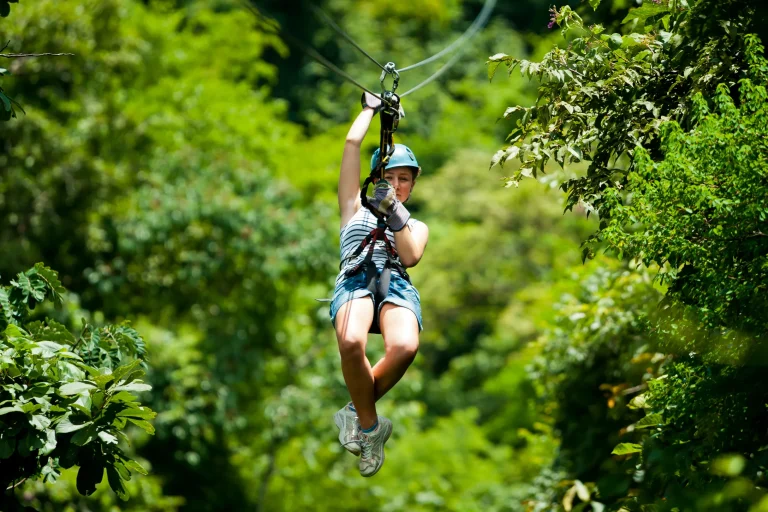
You’ve just zipped over a green ravine, helmet still warm, and your guide is cracking jokes while clipping your harness with quick, practiced hands. Now you’re back on the platform with red dirt on your shoes and that salty trade wind in your ears. So what’s a fair tip in Hawaii, and when do you hand it over? Cash, Venmo, pooled envelopes, tip already included. It sounds simple until you’re standing there with your wallet out.
Key Takeaways
- Tip $20 per guide for a 2–3 hour Hawaii zipline tour; tip $25–$40 per guide for longer, premium, or more complex tours.
- Use a quick percentage check: about 15% of ticket price, or 10–20% for pricey/full-day tours ($50–$80 per person).
- Tip at the end after helmets come off; hand cash in a small envelope to the lead guide to split among assistants.
- Count your guides and scale fairly: tip each guide individually or pool cash, especially when there are multiple guides for safety.
- Adjust tips for service quality: keep tipping for safety-related weather delays, but reduce proportionally for poor service (about 50–75% of usual).
How Much Should You Tip Zipline Guides in Hawaii?
So how much should you tip zipline guides in Hawaii? For a classic 2 to 3 hour run, many guests land on $20 per guide. You hear the harness clips, smell damp jungle air, and watch your guides keep the pace smooth, safe, and fun, so that baseline feels fair. For nervous first-timers, comfort from guides can be the difference between white-knuckling the platform and actually enjoying the ride.
If your tour goes longer, adds extra lines, or feels like a premium adventure, bump it to $25 to $40 per guide, or use 15% of ticket as a quick math check. When three zipline guides work your group, you can Tip each one or total it up. Most people use cash, and Venmo can work too if it’s offered. If service slips, scale back, but remember they do work and rely on tips.
When and How to Tip (Cash, Venmo, Card, Tip Included?)
You’ve got the amount in mind, now it helps to nail the timing and the method. Tip at the very end, when the last helmet comes off and you’re trading high fives by the van. Hand cash in a small envelope to the lead guide so it’s easy to share with assistant Guides. Bring ones, fives, and tens, or label envelopes per person so you’re not fumbling like a tourist in wet shoes.
If you buy photo and video add-ons, handle tipping separately since those extras usually go to the operator and don’t automatically boost what the guides take home.
Wondering how to tip if you’re out of bills? Ask ahead if the operator can take Venmo or card, and use the handle your tour guide provides. Check your confirmation for tip included or a service charge. If it’s tip included, extra is optional and tied to standout help today too.
Groups, Pricey Tours, and “Not Perfect” Days (How to Adjust)
When your zipline crew gets bigger, the tour gets pricier, or the weather decides to throw a little tantrum, tipping starts to feel less like a simple math problem. On the Big Island, groups often run with three guides, so you tend to tip $20 per guide or pool cash and tip the lead guide once. For pricy tours or full days, plan ahead and scale toward 10–20% of the cost, often $50–$80 per person. If rain stalls lines or you miss a run, make sure you still tip for safety calls, but feel free to trim to 50–75% if service really slipped. If you’re unsure whether a “not perfect” day was handled well, use a reviews checklist approach to separate unavoidable conditions from true service issues before you adjust your tip.
Bigger crews, pricier tours, or rain delays? Tip $20 per guide or 10–20%, adjusting fairly for service.
- Count guides and hours.
- Set your budget early.
- Adjust for delays fairly.
- Thank them with small bills
Frequently Asked Questions
What if I’M Pregnant or Have Mobility Issues, Should I Still Tip?
Yes, you should tip; you’ll appreciate pregnancy accommodations, mobility assistance, medical clearance checks, comfort modifications, support person coordination, weight restrictions monitoring, and accessibility communication; tip $20 each, more if they work harder throughout your tour.
Do I Tip Differently for Private Tours Versus Shared Group Tours?
Yes, tip differently: for Private groups, you’ll go 15–20% or $30–$40 per person, with Service length and Custom requests; for Shared rates, use $10–$20 per person. With multiple guides, tip per guide; note Group dynamics, too.
Should I Tip Instructors Who Handle Training but Don’T Guide the Lines?
Yes, you should tip them; on tours, 50% of the crew never rides. You’ll reward training staff for safety briefings, equipment checks, instructional assistance, non guiding support, pre ride coaching, and briefing facilitators: give $5–$10 each.
Can I Tip in Advance, or Is That Considered Inappropriate in Hawaii?
You shouldn’t give advance gratuity; it can clash with cultural sensitivity, guide expectations, and prepayment etiquette. Tip at tour’s end for service assurance. If timing concerns force it, follow company policy, use cash or confirm tips.
Is It Okay to Tip in Local Gifts Instead of Money?
You can, but don’t skip cash, like bringing dessert to a potluck, it sweetens without feeding everyone. Add local crafts or lei exchanges, food offerings, cultural artifacts, homemade treats, gift baskets, aloha shirts, plus cash; ask first.
Conclusion
After you’ve flown over guava trees and heard the trolley wheel clack back to the platform, the “awkward” part arrives. You tip. Funny how the bravest moment can be pulling out small bills. Hand cash to the lead guide or toss yours into the group pool. Aim for about $20 per guide on a 2 to 3 hour run, more for longer tours. Save bigger cuts for truly rough service.