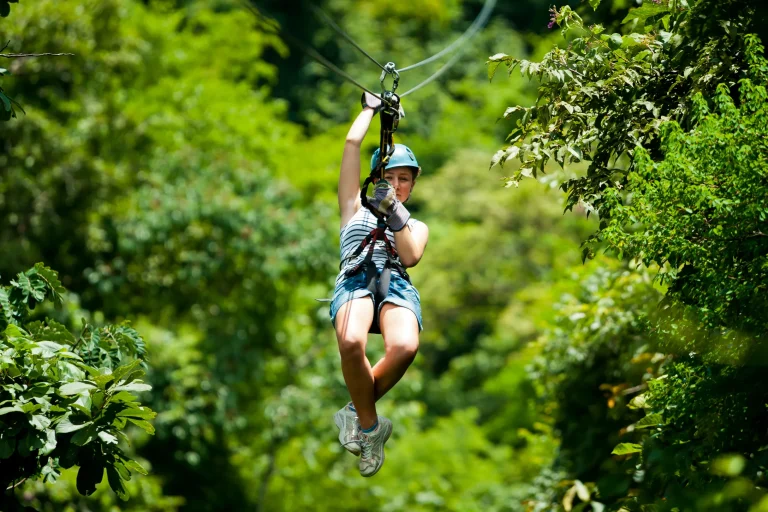
You’re strapped into a harness, the platform creaks, and the guide clips you in with a sharp metal click. Now your stomach wants a vote. Eat too much and you’ll feel it slosh on the first long glide. Eat too little and your legs may go wobbly halfway through the course. The sweet spot is simple carbs and a little water at the right time. So what actually works when you’re 30 minutes from launch?
Key Takeaways
- Eat quick carbs 30–60 minutes before launch: banana, rice cake, plain bagel/toast, crackers, dates, or gummies for light energy.
- Keep last-hour snacks low fat, low fiber, and low protein to prevent reflux, cramps, and “heavy” harness discomfort.
- If you have 2–3 hours, choose a 400–700 kcal carb-centered meal with 20–30 g protein and moderate fiber for steadier energy.
- Hydrate early: ~500 ml water 2–3 hours before, then 250 ml in the hour prior; sip near launch to avoid sloshing.
- Avoid greasy, spicy, high-fiber foods, carbonated drinks, and alcohol close to launch; use ginger chews or plain crackers if nauseous.
What to Eat Before Ziplining: Quick Answer
Grabbing the right pre-zip snack can feel like packing fuel for a quick flight through the trees. Aim for Quick-digesting carbs 30 to 60 minutes before you clip in. Try a banana, a crisp rice cake, or an 8 oz sports drink. You’ll top up blood glucose without that sloshy, heavy belly.
If you’ve got 2 to 3 hours, eat a small meal with easy carbs plus a little protein and low fat, like oatmeal with fruit or a turkey wrap. Keep it light within the last hour: under 4 g fat, 5 g fiber, and 10 g protein. Drink 16 to 20 oz water earlier, then 8 oz before the harness clicks. Sweaty day? Choose electrolytes. In peak summer conditions, follow summer heat tips to stay cool and hydrated while you’re on the course. Early zips: dates or a mini bagel.
Should You Zipline on an Empty Stomach?
Even if you’re keen to clip in and fly, starting a zipline run on an empty stomach can leave you a little woozy on the platform. Low blood sugar can make you lightheaded or shaky, and that’s the last thing you want while stepping into a harness, hearing the pulley clack, and lining up for braking. For nervous beginners, comfort from guides can also help you stay calm and steady before you launch.
When Should You Eat Before Ziplining?
A steady stomach helps you feel sharp on the platform, so timing your food matters as much as what you pack. Think of Pre-Climb Nutrition as your quiet co-pilot. Finish your main meal 2–3 hours ahead so you’re fueled, not sloshy. If you’re within 60 minutes, go small and carb-forward so your belly stays calm. Avoid high fat, high fiber, or big protein close to launch. That first zip should sound like a clean whirr, not a stomach protest. Drink 500 ml 2–3 hours before, then 250 ml in the last hour before you ride. Along with smart timing, remember the packing list basics for a North Shore zipline tour so you’re not distracted by missing essentials.
| When | Eat | Drink |
|---|---|---|
| 2–3 hr | meal | 500 ml |
| 60 min | carb snack | 250 ml |
| 30–60 min AM | toast or dates | sips |
| <60 min avoid | fat, fiber, protein | no chug |
Best Meal 2–3 Hours Before Ziplining
Fueling up 2–3 hours before you clip in lets you step onto the platform feeling steady, not stuffed. Build a pre-climb meal around carbs to refill glycogen and keep your legs lively for stairs and short hikes. Think a whole-grain sandwich, pasta salad, or rice bowl, sized to about 400–700 calories.
Add 20–30 grams of protein like grilled chicken, eggs, or tofu, and keep fat low to moderate so digestion stays smooth. Choose moderate fiber, not a huge bean-and-bran situation, unless you want the forest to hear your belly. Drink 300–500 ml of water with the meal and keep sipping until your urine looks pale yellow. If it’s hot, bring a small electrolyte drink. You’ll hear harness clips, not your stomach, at launch today.
Still comparing What To Eat Before Ziplining: Energy Without Feeling Heavy?
Ask for tour ideas, hotel suggestions, or a simple trip plan that combines both.
Trip Helper
Best Snack 30–60 Minutes Before Ziplining
Grab a quick carb snack 30 to 60 minutes before you suit up, and you’ll step into the harness feeling light and steady. Aim for 25 to 40 g carbs for quick energy and stable blood glucose. Keep fat under 4 g, fiber under 5 g, and protein under 10 g so your stomach stays calm when the guide cinches straps. Beginner guides recommend focusing on first-timer tips like staying calm and comfortable as you gear up.
| Snack | What it feels like |
|---|---|
| Banana | Soft, easy bites |
| White rice cake | Crisp, airy crunch |
| 1 oz pretzels | Salty snap, no bulk |
| Sports gel or gummies | Fast sweetness on the go |
Wash it down with 8 oz water or 200 to 250 ml sports drink. In warm weather you’ll hear the canopy hum and feel steadier on the platform before you launch forward.
Foods to Avoid Right Before Ziplining
Right before you clip into the harness and hear the trolley rattle, skip high-fat fried foods that sit heavy and can turn quick drops into mild nausea. You’ll also feel better if you avoid high-fiber bites like big bean portions or crunchy raw broccoli since gas and bloating aren’t great company on a long line. Finally, don’t tackle a heavy meal close to your start time because a full stomach plus tight straps can invite reflux and make you feel sluggish when you want to fly. On the North Shore, dress in layers so you can stay comfortable if conditions shift while you’re gearing up for your run.
High-Fat, Fried Foods
Although a basket of fries or a hot fried chicken sandwich sounds like a victory lap before you clip into the harness, high-fat, fried foods can make the ride feel longer in the wrong way. That’s because greasy bites slow your stomach down and can leave you with a heavy stomach as you jog to the platform and the straps press your belly.
If you eat more than 10–15 grams of fat within an hour, you raise the odds of cramps, reflux, or queasiness mid-zip. Fried food also packs sodium, so you may feel puffy and thirsty while the pulley chatters overhead. It can even make you sleepy right when you need sharp attention for the safety talk. If the course is dealing with mud and hazards after a wet week, that sluggish, heavy feeling can make careful footing even harder on the walk to the platform. Instead, grab a low-fat carb snack.
High-Fiber, Heavy Meals
Once you’ve skipped the greasy stuff, watch out for another pre-zip trap: a high-fiber, heavy meal. Too much fiber within an hour slows your stomach and can cause bloat or a sudden bathroom dash when the carabiners clink. To stay comfortable while you wait, use sun and heat strategies like finding shade and sipping water so you don’t feel worse on the platform. Keep these off the menu near launch time:
- Big salads, bean stews, or bran cereal over 5 g fiber in the last 60 minutes.
- Whole-grain sandwiches with lots of raw veggies 1 to 2 hours before. Harness straps can squeeze your belly.
- Raw broccoli, big portions of nuts or seeds, or dried fruit right before you clip in to avoid gas.
- Fiber-heavy bars or protein balls with 6 to 10 g. Choose ≤5 g, or eat fiber 3 to 4 hours earlier.
What to Drink Before Ziplining (How Much)?
Usually, the best drink plan before ziplining is simple and timed so you feel steady in your harness and not stuck hunting for a restroom. Drink about 500 ml of water two to three hours before you clip in. That’s roughly a bottle, and it hydrates you without sloshing in your stomach.
Then top off with 200 to 250 ml in the last hour, ideally 30 to 60 minutes before launch. Water works great, and a low-sugar sports drink can be handy if the day feels sticky and loud with cicadas. Review the zipline tour FAQs if you’re unsure what drinks are allowed on-site or how breaks are handled. Don’t chug more than 500 to 750 ml in the final 15 to 30 minutes. You’ll feel calmer on the platform. Skip alcohol and sugary drinks. They can mess with balance and focus.
Do You Need Electrolytes Before Ziplining?
If the air feels thick and you’re already sweating while you fumble with your helmet strap, an electrolyte boost can make you feel steadier on the line. For a short outing under 90 minutes, you need water: 500 ml 2 to 3 hours before and 250 ml in the hour before. Check weather conditions in advance, since heat and humidity can change fast and affect how much you sweat.
- Choose an electrolyte drink when heat, humidity, or heavy sweat has you starting dry.
- Look for sodium so you hold onto fluid and keep your grip strong on the handle.
- On multi-hour canopy tours, sip a low-sugar sports drink at breaks with 200 to 500 mg sodium per liter, plus potassium.
- Test any tablet or mix at home first. New formulas can churn your stomach. If hydrated, you’ll skip.
What to Eat Before a Morning Zipline Tour
If you’re rolling into a morning zipline tour, you’ll feel best with quick fuel like a banana and toast, a small bowl of oatmeal, or yogurt with honey, eaten 30 to 90 minutes before you clip in and hear the first pulley hum. Time it right: keep it low in fat and fiber if you’re eating within an hour, or go a bit bigger 2 to 3 hours out with carbs plus some protein so your stomach stays calm in the harness. Since ziplining can sometimes trigger motion sickness or dizziness in sensitive riders, skip greasy foods and go easy on big portions before you ride. Then drink 8 to 16 ounces of water in the hour before you go, add a light electrolyte drink if it’s hot, and pack a tiny quick-carb snack in case your blood sugar likes to play tricks.
Quick Morning Fuel Options
Often, the best morning zipline fuel looks almost too simple to count. You want quick carbs that sit light while the forest wakes up and pulleys clink overhead. Eat one of these and you’ll feel springy, not stuffed. For same-day booking zipline tours, stick to quick-digesting breakfast choices so you’re ready to gear up on short notice.
- A banana or a plain white bagel for fast blood sugar.
- Oatmeal with a tablespoon of nut butter and berries for steady energy.
- 8 oz chocolate milk or a small pack of sports gummies when you wake ravenous.
- 250 to 500 ml water, plus 8 oz sports drink if you started the day fasting.
Keep it low in fat, fiber, and protein right before you fly. You’ll hear the guide’s whistle and still feel clear-headed all day.
Timing Your Pre-Tour Snack
Those quick morning bites work best when you eat them at the right moment, not just because they’re “healthy.” For a morning zipline tour, aim for a light, carb-focused snack 30 to 60 minutes before check-in so your blood sugar stays steady and your mind feels sharp when the guide starts the safety talk and the pulley wheels chatter in the trees. Arriving with a little extra time for check-in and waivers helps that snack settle before you suit up. If you roll out of bed fasted, grab an orange, dates, or chocolate milk on the drive. If you’ve got 2 to 3 hours, eat a light mini-meal like oatmeal with a drizzle of nut butter or yogurt with fruit and toast. Keep it low in fat and fiber, and don’t overdo protein, so the harness doesn’t turn breakfast into a ride.
Hydration And Electrolytes
Before you step onto the first platform and hear the cables hum in the morning air, make hydration part of your gear check. Drink 500 ml of water 2 to 3 hours before, then another 250 ml in the hour before you clip in, so you can maintain energy without stomach slosh.
- Check your pee: aim for pale yellow before departure.
- If it’s darker, sip an electrolyte drink until it lightens.
- For tours over 90 minutes or heavy sweat, pick low sugar electrolytes with 200 to 500 mg sodium and 50 to 200 mg potassium per liter.
- If you’re behind, take 8 oz sports drink or chocolate milk 30 to 60 minutes pre tour.
Skip caffeine or alcohol. They can leave you slightly woozy.
Treat posted conditions as guidance because dynamic natural environments can change rapidly and updates aren’t always real-time.
What to Eat Before Ziplining in Hot Weather
When the sun’s already baking the harness straps and the platform feels like a warm skillet, you’ll have more fun if you fuel up light and hydrate early. 30 to 60 minutes before you clip in, choose quick carbs like a banana, a small fruit salad, or half a white bagel. They top off blood glucose and keep your energy smooth. Since operators typically provide helmets and gloves, you can skip packing extras and focus on staying cool and well-hydrated.
During the hour before launch, drink 250 to 500 ml of water. If you’ll sweat hard, add an electrolyte drink or an iced sports drink. Skip nuts, beans, and heavy sandwiches. Fat, fiber, and lots of protein linger in your gut and can feel queasy in heat. If you’ve got 2 to 3 hours, eat rice or pasta with protein and light oil.
What to Eat Before Ziplining at Altitude
Even if the mountain air feels crisp and thin as you step onto the wooden platform, you’ll do better with food that’s light and quick. At altitude, eating the right mix keeps your head clear as cables hum and pines sway below. After your run, simple recovery tips can help ease sore legs.
- 30–60 minutes out: grab a banana or a small bagel for fast carbs and steady focus.
- 2–3 hours out: choose oatmeal with banana plus a scoop of yogurt, and keep fat and fiber low.
- Hydrate smart: drink 250–500 ml water in the hour before. Add electrolytes if you’ll sweat.
- Skip heavies: avoid big, fatty, high-fiber bites like cheese, nuts, or beans within 60 minutes so your stomach doesn’t lag behind your bravery. You’ll clip in buoyant, not stuffed, and ready to glide.
What to Eat Before Ziplining If Nauseous
If your stomach’s doing a slow flip before you clip in, stick with gentle carbohydrates in tiny portions like a rice cake, a peeled banana, or a few plain crackers about 30 to 60 minutes before you go. Keep timing and portion control tight so you top up energy without feeling heavy when the harness clicks and the platform creaks. Sip a little water or electrolyte drink slowly so you stay sharp without that sloshy belly soundtrack. If the nausea is coming from nerves, use a simple fear of heights trick like steady breathing and focusing on one fixed point to calm your body before you step off.
Choose Gentle Carbohydrates
A small hit of gentle carbs can steady your stomach and your nerves before you clip into the harness. When you’re nauseous, eating something plain feels like a quiet handrail. Pick low fiber choices so your gut stays calm and your head stays sharp while the platform creaks and the forest hums below. If you’re pregnant, note that many operators have pregnancy ziplining policies that restrict participation, so a light snack can still help keep nausea steady if you’re only watching or choosing a safer alternative.
- Ripe banana, soft and sweet, with fiber under 5 g.
- White toast or a plain rice cake for dry, reliable starch.
- A few sips of diluted sports drink or chocolate milk for quick glucose.
- One or two crackers with ginger chews to tame motion sickness.
Skip nuts, granola, and greasy breakfasts. Fat, fiber, and heavy protein linger and can turn that first glide into a wobble. You’ll thank yourself at takeoff.
Timing And Portion Control
While the guides check your helmet straps and the cables give that faint metal ping, timing your snack can make launch feel smoother. If you get queasy, eat small and simple. Aim for 150–250 calories 30–60 minutes before you zip. Try one banana or a rice cake. Skip greasy, spicy, and high-fiber foods that sit like a rock. Along with food, prioritize grip and traction in your shoes so muddy platforms and takeoff steps feel stable. If you’ve got 2–3 hours, choose a light meal with 30–50 g carbs and 10–15 g protein, like toast with nut butter and banana. Practice beforehand so you find the right balance.
| Time to launch | Portion | Safe pick |
|---|---|---|
| 2–3 hours | light meal | toast + nut butter + banana |
| 30–60 minutes | 150–250 kcal | banana or rice cake |
| New place jitters | tested snack | plain crackers or apple slices |
Hydration Without Sloshing
Nail your snack timing, then turn your attention to the other half of a smooth launch: hydration that won’t slosh when the platform creaks and the cable hums. Drink 250–500 ml of water or a low-sugar electrolyte drink 60–90 minutes before you clip in, so your stomach can settle. If nausea taps your shoulder, pair it with a small 100–200 kcal bite like a banana or 1–2 plain rice cakes. Then follow this simple flight-plan:
- Sip 50–100 ml of clear, cold fluid near start time.
- Skip carbonation; bubbles bounce.
- Add a handful of pretzels or a lightly salted cracker.
- Avoid fried meals, big nuts, and heavy sandwiches within two hours.
Just like ocean activities where drowning is preventable with the right preparation, a calm stomach and smart hydration choices help you stay safer and more in control on the course.
You’ll feel light on the steps, steady in the harness, and ready to glide.
What to Eat Before Ziplining If Anxious
If your stomach flips the moment you hear the trolley clink onto the cable, you can calm the ride before it starts with a small, carb-heavy snack. Plan to eat 30 to 60 minutes before you gear up. Try a banana, a white rice cake with honey, or 8 oz chocolate milk. These quick carbs steady your blood sugar so your brain can read the route and your hands stop overgripping. Skip big meals right before, especially high fiber, fat, or protein, or your harness will find every bubble. Sip 200 to 300 ml water or an electrolyte drink in the hour before. Aim for pale yellow pee. If nerves kill your appetite, take a few dates or a sports drink right at launch. Capture a quick clip at the platform using a fast, polished workflow so you can focus on breathing instead of fumbling with settings.
What Snacks to Pack Between Zipline Runs
Once your nerves settle and you’ve clipped off that first run, the breaks between lines can feel like quick little pit stops with forest air in your lungs and the next cable humming overhead. You want fuel you can chew in a helmet. Keep it light within an hour of riding. Aim under 5 g fiber and 4 g fat.
Between lines, breathe in forest air and refuel fast, helmet-friendly bites, light carbs, low fiber, low fat, ready to clip in.
- Banana or 1–2 rice cakes for 15–30 g carbs.
- Small granola or fruit bar, or 1 oz pretzels for easy crunch.
- Sports gel or gummies when the guide says “two minutes.”
- String cheese or a nut-butter packet for 7–15 g protein.
Skip Trail mix unless it’s low-fat. Sip 8–12 oz water or diluted sports drink. Add electrolytes on hot days.
Pre-Ziplining Mistakes That Cause Nausea/Fatigue
Although the forest looks calm from the staging platform, your stomach can get loud fast when you make a few common pre-zip mistakes. Eating too much within 60 minutes, especially a high-fat or high-fiber meal, slows digestion and invites nausea. Keep that last bite light, under 4g fat and 4g fiber.
| Mistake | What you feel | Better move |
|---|---|---|
| Big greasy or spicy first-time food | cramps or queasy burps | toast, rice cake, or fruit |
| No snack | shaky, foggy, tired | banana or 8 oz sports drink |
| Too little water or too much caffeine | headache, jitters, more nausea | 250 to 500 ml water, usual coffee |
Check your pee for pale yellow before you clip in, and you’ll hear the zip line hum instead of your gut all day.
Frequently Asked Questions
What Should Kids Eat Before Ziplining?
Give kids Light snacks 30–60 minutes before: banana, small bagel, or rice cakes. If you’ve got 2–3 hours, serve carbs with some protein, keep portions small, hydrate with 8–16 oz water, skip greasy candy too.
Can I Drink Coffee or Energy Drinks Before Ziplining?
You can drink a small coffee 30–60 minutes before ziplining if you tolerate it, Caffeine caution. Skip big energy drinks: they spike sugar and crash. Pair coffee with a banana, and sip water or electrolytes lightly.
What if I Have Diabetes, How Should I Plan Pre-Zipline Food?
For diabetes, you’ll plan Blood sugar management: check glucose before you go, treat lows with 15–20g fast carbs, then eat a 15–30g carb snack with some protein. Avoid heavy meals, carry supplies, tell guides too.
Are There Allergy-Friendly Pre-Zipline Snacks (Nut-Free, Gluten-Free, Dairy-Free)?
Yes, about 6% of U.S. adults have food allergies, so you’ll want Allergen alternatives: banana, rice cakes with jam, corn tortillas with honey, dates, or pretzels. Check labels for cross-contact and pack safe backups for later.
Can I Take Motion-Sickness Medicine With Food Before Ziplining?
Yes, you can take Motion meds? with food before ziplining. Eat a small, low-fat, carb snack (banana, rice cake) 30–60 minutes prior, drink water, always follow label timing, and avoid alcohol or greasy meals, too.
Conclusion
It’s funny how you’ll trust a thin cable over a canyon yet question a banana. Eat light carbs so you feel quick, not weighed down. Have toast or a rice cake 30 to 60 minutes before you clip in. Sip water while helmets clack and pulleys tick. Skip greasy food and big salads unless you enjoy midair regret. If your stomach flips, try ginger. Then step off the platform and let the wind answer.