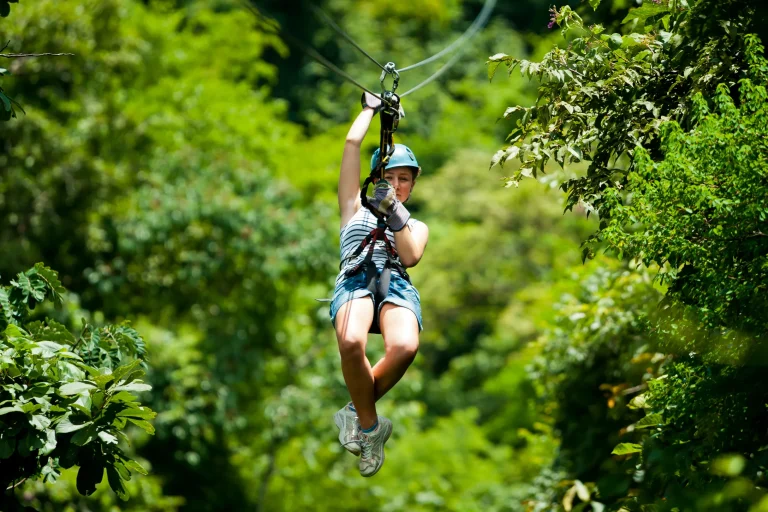
Winter on the North Shore can be a little “moist,” and you’ll feel it the moment you step onto a slick platform. You’ll clip in while trade winds hum through ironwood trees and light sprinkles tap your helmet. Morning tours often bring cleaner light and steadier air. After lunch, quick squalls can turn trails to peanut butter and slow the lineup. You’ll want grippy shoes and a small dry bag, but what happens when the clouds build?
Key Takeaways
- Expect fast-changing winter weather; morning tours are usually drier, brighter, and steadier than afternoons with more squalls.
- Tours run rain or shine, but lightning, extreme winds, or flooded landings can trigger holds, reroutes, shortened courses, or cancellations.
- Mud varies by storm patterns: compacted trails help, yet sheltered dips can turn ankle-deep and wet shoes track slick paste onto platforms.
- Wet platforms and stairs get slippery; move slowly, use three points of contact, and follow guides if launches pause for traction checks.
- Wear closed-toe shoes with solid tread and quick-dry layers; avoid cotton, bring a light rain shell and spare socks for comfort.
Is Winter North Shore Ziplining Worth It?
Although winter weather on the North Shore can roll in fast, ziplining still feels like a great deal if you don’t mind a little mud on your shoes and rain on your helmet. You often get smaller groups, more open booking slots, and that fresh forest smell after a squall. Pick a morning Zipline tour for steadier winds and brighter light, then expect wet platforms and a few slippery walks between lines. Operators run rain or shine, but they’ll pause, reroute, or shorten the course if safety calls it, so check refund and cancellation rules before you pay. Wind limits vary by course, but “too windy” usually means gusts are strong enough to affect stability on the lines and platforms, triggering a wind hold for safety. Wear waterproof layers and quick dry clothes, tie hair back, and use a sunglasses strap. Also ask what’s included, like photos or rides to the base.
What Winter Weather Should You Expect?
If you zipline the North Shore in winter, expect the sky to change its mind a few times before lunch. You’ll feel warm air, then a quick squall taps the leaves and your helmet. Showers are usually light to moderate, then they pass, leaving the forest louder with dripping and birds. Winter also tends to bring lighter crowds compared with peak summer days on Oahu’s North Shore.
Plan for mid-60s to mid-70s °F, not true cold, but damp. Morning trips often stay drier, while trade-wind sprinkles show up later. After rain, trails and platforms turn slick and chocolatey, so step like you’re on a wet boat deck. Your shoes may splatter, so bring a small towel and a spare shirt. Check reconfirmation emails for timing changes if weather gets rough. Cloud breaks reveal surf and rainbows above Shore cliffs suddenly.
Will Rain Cancel a North Shore Zipline Tour?
When winter showers sweep across the North Shore, your zipline tour usually keeps rolling, just with wetter gloves and a louder hiss of wind in your helmet. Light rain is normal, especially in the afternoon, so you’ll step onto slick platforms and watch droplets bead on cables like tiny pearls. Guides keep you moving and you’ll still get those long ocean-and-valley views between bursts of mist. North Shore operators typically follow weather policies that keep tours running in light rain but pause or cancel for lightning, extreme winds, or unsafe flooding. What stops things is serious weather. Heavy rain can flood landings, lightning can shut everything down fast, and high winds can turn a glide into a tug-of-war. Book a morning slot if you want the best odds. Even then, crews may close a line or shorten the circuit for safety, so stay flexible. You might hear frogs cheering.
Winter Cancellations, Refunds, and Reschedules?
Since winter weather on the North Shore can flip from soft drizzle to gusty squalls in a single hour, you’ll want to know the cancel and reschedule rules before you zip up your jacket and step onto a damp platform. Most tours run rain or shine, but winter wind can trigger safety holds.
You’ll often need to reconfirm within 24 hours. Cancel at least 48 hours before your tour and you’ll get a full refund. Cancel within 48 hours or miss your start time and you likely won’t. If the operator shuts things down for unsafe conditions, you’ll usually choose a full refund or a new date if spots open. Some providers also offer reserve now, pay later options, which can help if winter forecasts are uncertain. Arrive early, keep your contact info current, and ask about shuttle and photo refunds.
Still comparing North Shore Ziplining In Winter: Mud, Showers, And What Changes?
Ask for tour ideas, hotel suggestions, or a simple trip plan that combines both.
Trip Helper
How Muddy Are Winter Zipline Trails?
You’ll notice winter rain squalls on Oahu’s North Shore can turn the short walks between platforms into slick dirt paths with anything from a thin muddy film to deeper ruts after a long storm. Most courses keep trails compacted or add boardwalk sections, and you might spot fresh mulch or gravel where boots have churned the ground. After a wet week, watch for mud and hazards along the trail, including slick patches and hidden ruts. You’ll have the best time in closed-toe shoes with solid tread, and it doesn’t hurt to pack a light rain jacket plus a spare pair of shoes or a small towel for the ride home.
Typical Mud Levels
Usually, winter zipline trails on Oahu’s North Shore feel more slick than sloppy, with damp boardwalks and a few muddy patches on the walk to the first platform. Most days a quick squall just darkens the dirt and you smell guava in the air. Staff clear the approach, so you cross a few muddy seams then return to ridgeline ground. Mud gets real only after multi day storms. Low spots with eucalyptus leaves can turn soft and ankle deep. Early tours feel messier after overnight rain. By morning sun and trade winds dry the trail fast. Wearing closed-toe shoes helps you keep traction on slick boardwalks and avoid slipping in those muddy seams. Remember:
- Primary paths stay lightly muddy.
- Deep mud shows up in sheltered dips.
- Long muddy hikes are rare.
Weight limits don’t change, only your step
Gear For Wet Trails
On a winter North Shore zipline walk, the trail can flip from dusty to slick in one quick squall, so the right gear matters more than a brave grin. You’ll cross boardwalks and dirt paths, chocolate pudding underfoot. Wear closed-toe shoes with solid tread and tap off mud before stairs. Pull on a rain jacket and layers for splashes. For ziplining shoes, stick with closed-toe options that won’t slip off and can handle wet ground. After heavy showers you may take muddy detours, so carry spare socks in a dry bag. If rain sticks around, you might wait briefly in staging spots.
| Item | Why you’ll like it | Quick tip |
|---|---|---|
| Shoes | Grip on mud and stairs | Rinse lugs |
| Rain jacket | Blocks squalls and spray | Vent it |
| Spare socks | Saves comfort fast | Pack dry |
| Dry bag | Protects phone and keys | Clip on |
How Slippery Are Platforms in Winter?
In winter, you’ll notice platform traction changes fast since wooden and metal decks can turn slick after a shower and feel more like a damp dock than a trail. Rainwater and mud on your soles can cut your grip in a hurry, so you’ll want closed-toe shoes with real tread and you’ll watch crews sweep and check surfaces between groups. If the sun breaks through, heat can build while you’re waiting, so use sun protection and take sips of water between turns. When railings and ladder rungs get glossy in the humidity, you’ll slow down, keep three points of contact, and laugh a little at how careful “one step” can sound.
Platform Surface Traction
Step onto a winter zipline platform on the North Shore and you’ll feel the difference right away. platform surface traction: platforms get slick in winter rain squalls,with wet wood and metal surfaces noticeably reducing traction compared with dry-season conditions.. Your boots squeak on damp boards and the grated sections hum under your weight. Most operators insist on closed-toe shoes, and you’ll see why when rubber soles bite while smooth sandals skate. They may suggest gloves so you keep a steady hold during clip-ins. In the same winter conditions, operators also rely on redundant safety backups alongside harnesses and braking systems to keep each launch controlled. Look for:
- Textured or grated decking plus anti-slip treatment.
- Extra guides who slow the flow so you don’t rush.
- Brief holds or reroutes if a high platform feels too slick.
You’ll launch with calmer steps and sharper attention.
Rainwater And Mud Buildup
Winter rain on Oʻahu has a talent for turning a zipline platform into a slip-and-slide with a view. Squalls sweep through fast and wooden decking and stairs collect mud and leaf litter that feels like slick cocoa powder underfoot. Operators often scrape and rinse between groups, yet mud buildup from wet shoes and ATVs can leave stubborn patches until the sun wins. Following Leave No Trace basics, like knocking mud off shoes at outdoor stops, helps keep platforms and trails from getting slicker for the next group.
| When | What sticks | What you notice |
|---|---|---|
| Morning | light film | boards feel grippy sooner |
| Midday | fresh splatter | metal steps shine and bite less |
| Afternoon | thicker paste | ropes feel wet and cool |
| Steady rain | constant runoff | guides may pause or close platforms |
Even when showers quit, shaded corners stay dark and damp. You hear squish edge and smell wet leaves as you clip in.
Safe Footing Practices
Finding your footing becomes part of the fun on North Shore ziplines when the rains roll through. Winter squalls leave wood planks glossy and metal steps slick, so closed-toe shoes with grippy soles aren’t optional. Your guides sweep and squeegee platforms between groups, but puddles can reappear fast, and wet harness straps can drip during gear-up. In warmer months, following summer heat tips can also help you stay steady by reducing fatigue and sweaty footing on platforms.
- Take slow, deliberate steps on damp decking and keep your weight centered.
- Use handrails and tether points on sky bridges when wind gusts and boards feel greasy.
- Skip running, hopping, or sharp pivots, and wait for the guide’s call before mounting or dismounting.
If rain stays heavy or winds rise, operators may pause or close a platform, so enjoy the forest sounds during brief holds.
How Safety Rules Change in Wet Conditions?
When rain slicks the platforms and turns ladders into mud-splattered rungs, your guides tighten the rules so the ride stays fun and controlled. In wet conditions you’ll notice slower launches and more coaching on braking, since damp lines and harness webbing can stretch your stop. Before every dispatch, staff recheck carabiners, add belay backups, and ask you to repeat the brake cue out loud.
Rain also makes the math stricter. Weight limits and tandem policies get enforced to the number because moisture can change line tension and reduce braking bite. If showers hammer the canopy or winds keep gusting, they’ll pause the tour or close the most exposed runs. You hear the rain on helmets and appreciate the caution. It’s a smarter thrill today. If someone does end up hanging short of the platform, guides follow rescue procedures to reach them safely and return them to the landing area.
What Should You Wear for Winter Ziplining?
Although the North Shore rarely feels brutal, the mix of cool breezes and quick squalls means your outfit has to work as hard as your guide. You’ll zip through air, hear rain tick the leaves, then step onto slick platforms. Start with layers: a moisture-wicking base, a thin insulating top, and a lightweight quick-dry rain jacket you can pack away. Skip jeans and cotton since they soak and chill. You also need to wear closed-toe shoes, as operators require them and muddy approaches can surprise you after a shower. Most tours supply key safety items like helmets and gloves, but it’s smart to confirm what your operator provides versus what you should pack.
- Tape long hair back and leave dangly jewelry at home.
- Pull on gloves to cut chafing and keep hands warm.
- Stash essentials in a small secure zippered pouch and use wrist straps.
Best Shoes for Muddy Zipline Paths?
Layers keep your core happy, but your shoes do the real work once the trail turns to red clay and wet leaves. Pick closed-toe trail shoes or light hikers with deep lugged rubber soles, Vibram-style, so mud sheds with each step and boardwalks don’t feel like ice. Skip smooth sneakers, sandals, and canvas slip-ons. You’ll hate the extra weight when they soak through. Prioritize grip and traction so you stay steady on slick ramps and muddy connectors between platforms.
| Feature | Why it helps | Look for |
|---|---|---|
| Lugs | Bite into clay | Aggressive rubber |
| Upper | Stays lighter | Water-resistant, quick-dry |
| Support | Saves ankles | Low cuff trail runner |
If you expect deep muck, sealed seams or low gaiters keep grit out, and you’ll hear less squish on the stairs to each platform on uneven connectors between lines. Test your footing and enjoy the rain-soaked smell.
What to Pack for a Rainy Zipline Tour?
Pack like the clouds mean business, because North Shore rain can flip from mist to full downpour in minutes during a 1 to 2.5 hour tour. Bring a lightweight waterproof shell or packable rain jacket (breathable preferred) , storms on Oahu’s North Shore can produce quick downpours even in a 1–2.5 hour tour. Review the tour’s rain policy ahead of time so you know how operators handle passing showers and safety pauses.
Pack for fast-changing North Shore skies, mist to downpour in minutes. A breathable, packable rain shell keeps you ready.
Keep your kit practical so you can focus on hissy forest air and the thump of wet boards:
- Closed-toe shoes with strong tread, plus spare socks.
- A small dry bag or ziplock for essentials, and a secure wrist or neck tether for a camera.
- A microfiber towel, insect repellent, and waterproof sunscreen in a compact pouch. Apply before you clip into the harness. You’ll feel ready, not soggy.
How to Keep Phones and Cameras Dry?
On a North Shore winter zipline, you’ll feel mist on your gloves and hear rain tap the cables, so start with a truly waterproof case and a short lanyard clipped to your harness. Between lines, slip your phone into a roll-top dry bag and keep a microfiber cloth handy so salt spray doesn’t turn every shot into a blur. For filming, use a secure phone grip and keep your wrist lanyard snug so you can record without risking a drop on the ride. You’ll also want smart storage for mounts and spare batteries in sealed pockets, because cold wet air drains power fast and operators won’t love a loose device taking flight.
Waterproof Cases And Lanyards
Often, the biggest threat to your phone on a North Shore winter zipline isn’t a dunk in the river, it’s the steady mist, muddy splatter, and wet gloves on the launch platform. You’ll feel drizzle on your helmet and hear cables hiss, so treat your tech like it’s riding too.
- Pick a waterproof phone case rated IP67 at minimum, or IP68 if you expect heavier showers.
- Choose a clear front or touchscreen window so you can tap record without opening it. Check the operator’s rules on filming and required tethers.
- Clip on a tethered lanyard or wrist strap that’s load rated and not a flimsy clip-on, then add a microfibre cloth and a small silica gel pouch to cut foggy moisture.
Even with a waterproof case, use a load-rated strap so a fumble with wet gloves doesn’t turn your phone into a dropped hazard mid-ride.
Dry Bags Between Lines
A small dry-bag setup turns those wet, in-between moments into an easy reset for your phone and camera. Bring a 1–3 L bag, label it, and pick 1–2 L if racks are tight. Clip it to your harness tether with a locking carabiner. Guides enforce stowage, but most allow tethered soft cases between platforms. If any clip point or added gear creates a hot spot, pinches, or shifting around your waist/legs, flag it early using comfort cues so a guide can adjust your harness setup.
| Move | Payoff |
|---|---|
| 1–2 L size | Rack friendly |
| Name label | Easy return |
| Pouch each device | Less bulk |
| Foam or float case | Won’t sink |
Seal phones and cameras in plastic pouches, squeeze out air, then tuck them inside. If you drop it near muddy runoff or a creek, that foam keeps it bobbing. Check ahead whether the operator offers lockers, a sealed gear box, or wants you carrying dry bags between lines.
Rainproof Handling And Storage
Winter ziplining on the North Shore can flip from crisp to drizzly in a minute, so treat your phone and camera like they’re riding in a tiny lifeboat. Slip them into a small dry bag or a quart freezer zip bag; it’s cheap, floats, and fits most harness pockets without pushing your weight limit.
- Seal it, then stash it at chest or waist level in the harness, not an outer pocket where mist sneaks in.
- Clip on a wrist or neck tether before launch, and use an IPX7 pouch if you might dunk it.
- Between lines, wipe lenses and screens with microfiber, and toss in silica gel to cut fog.
In humid bursts, keep the lens capped until you’re ready to shoot to reduce condensation buildup and smears.
If rain turns heavy, ask guides about bins or photo packages.
Do Winter Rains Ruin the Views?
How much do those quick North Shore rain squalls really steal your views on a winter zipline? Not as much as you’d think. In Winter, morning runs often start with clean ocean blues and sharp green ridges before showers build later. When clouds thicken, distant islands fade and the colors go softer, like someone turned down the saturation. For cooler temps, aim for a morning North Shore run when the light is cleaner and the heat stays down.
Up on ridge lines, wind can push low clouds across the course. One minute you’re staring at a wide coastline. The next you’re inside cool fog and you hear leaves dripping. Most squalls pass fast, and wet foliage makes the rainforest glow close-up. Only heavy downpours can pause or cancel things for safety, and that’s when the scenery truly disappears. Bring a grin. Watch it shift.
How Long Does Winter Ziplining Take?
Most days, your North Shore winter zipline tour still fits neatly into the same 1.5 to 2.5 hour window you saw online, even when the trails look like chocolate pudding. Smaller single-course parks often land at 1.5 to 2 hours, while bigger ridgetop circuits or ATV transfers push 2 to 2.5.
Plan your time around these winter add-ons:
- Arrive 30 to 45 minutes early for check-in, waivers, parking, and quick gear checks like rain jackets and grips.
- On wet days, guides slow rotations and steady your steps, adding 15 to 30 minutes.
- Afterward, de-gear and wipe down your ride, which can take 10 to 20 minutes, especially if harnesses need swapping. In heavy showers, some lines pause, yet briefings keep rolling.
Morning vs. Afternoon Winter Ziplining: Better Pick?
If you book a morning winter zipline on the North Shore, you’ll often catch steadier air and fewer quick squalls, so you’re more likely to hear clean trolley hum and finish the full 2.5-hour run with long, uninterrupted lines. You’ll also move through platforms faster with smaller groups, plus the early light can sharpen ocean views even if the trail feels a bit slick from overnight runoff. Pick an afternoon slot and you may trade that glow for flexible plans, but you’ll want patience for pop-up showers and gusty crosswinds that can pause the line and trim a run.
Morning Light And Dryness
While winter afternoons can look calm on the schedule, the North Shore usually treats morning zipline slots better. You’ll feel it on the walk in, when cool air keeps the dirt firm and your shoes stay cleaner. Trade winds hold steady, and most quick showers wait until later, so operators can keep the tour moving and you’re more likely to finish the full 2 to 2.5 hours.
For Ziplining on the North, mornings also look sharper:
- Low sun lights up the ocean and turns the rainforest glossy green for photos.
- Platforms feel less slick, and cables hum instead of hiss with water.
- Roads can still clog, so arrive early for check-in and a smooth launch. Bring a light jacket and grin.
Afternoon Showers And Delays
Plan an afternoon winter zipline on the North Shore and you might end up playing a short game of “wait it out” between squalls. Winter afternoon showers roll in more often after lunch, and operators may call brief wind or rain holds while the trees hiss and the cables sing. You’ll usually get back on line fast, but expect a pause or two and the occasional temporary suspension. Later-day rain can slick up platforms and approach trails, so guides add traction checks that slow the launch rhythm. If you can, book a morning tour for calmer winds and drier runs. If afternoon is your only slot, arrive early and ask about weather and cancellation rules so you can rebook or snag an earlier opening.
Who Should Skip Winter North Shore Ziplining?
Because winter rain can turn the North Shore canopy into a slick, shimmery obstacle course, this isn’t the season for every traveler. If heights already twist your stomach, a wet North Shore Zipline feels more exposed, and bridge sections can often shake. Skip winter tours if you’re pregnant or nursing a fresh neck or back injury. Slick gear and weather jolts add risk, and operators usually require doctor clearance.
You should also pass if:
- You need accessible equipment or have limited mobility, since muddy trails and wet stairs make transfers unsafe.
- You’re on a tight schedule or strict refund rules, because rain holds can delay or cancel.
- You don’t have closed-toe shoes, a light rain jacket, and a secure phone tether.
Frequently Asked Questions
Are There Lockers or Secure Storage for Bags During the Tour?
You usually won’t get Gear lockers; you’ll leave loose bags in a staff‑monitored gear-check area. Bring only essentials in a zippered, waterproof pouch, keep valuables on you, and confirm options with your operator before arrival.
Can Kids Zipline in Winter, and Are There Age/Weight Minimums?
Yes, you can take kids winter ziplining; it’s a green light, not a red flag. Age limits often start at 5, under-11s ride with you, and weight minimums/maximums still apply, reconfirm rules when booking every time.
Is Transportation or Parking Available at the North Shore Zipline Location?
You’ll find plenty of free on-site parking at the Haiku North Shore Ziplines, so you can drive yourself. If you don’t have a car, ask about Shuttle options from Hale‘iwa or Kahului when booking ahead.
Are Restrooms and Changing Areas Open at Camp Maui in Winter?
Yes, you’ll find restrooms and changing areas open at Camp Maui in winter, so don’t worry about arriving soaked. Restroom availability usually spans 9–3 tours, though cleaning or check‑in crowds may briefly restrict access for you.
Do Guides Provide Towels, Ponchos, or Extra Gloves for Wet Conditions?
You can’t count on guides for towels, ponchos, or extra gloves, Gear provisions vary. You’ll get helmet and harness, sometimes a disposable poncho, but towels are rare and spare/waterproof gloves run limited, so bring your own.
Conclusion
Winter on the North Shore still lets you fly, but you’ve got to play the weather. Book a morning slot for cleaner light and calmer winds. Pack grippy closed toe shoes, quick dry layers, and a small dry bag for your phone. Expect slick boards, squishy mud, and the whirr of wet cables. If squalls roll in, you may pause or reroute. Remember, there’s no such thing as bad weather, only bad clothing out there.