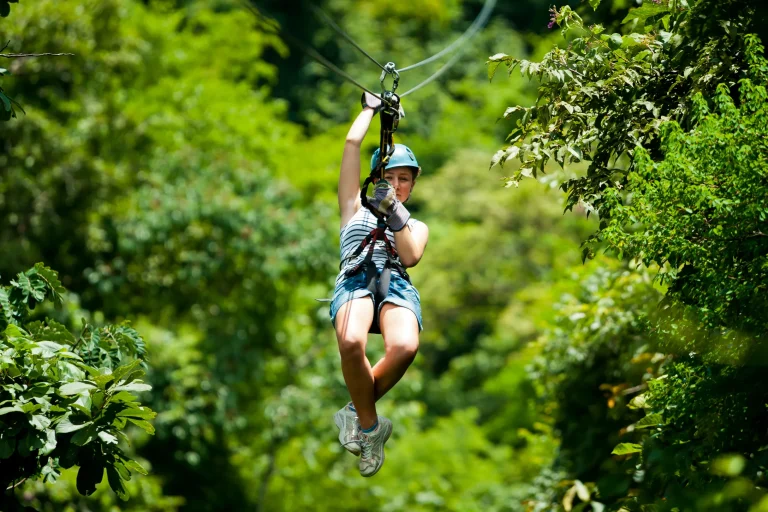
If you’re eyeing a zipline on Oahu’s North Shore, timing can make the ride feel either smooth as glass or a little like a gentle tug of war with the wind. In April and May or again in September and October, you’ll often get mild trade winds, green ridges after quick showers, and shorter check in lines. Grab a 7:30 to 9:30 AM slot for clear views and fewer squalls, but what happens when summer heat or winter surf shows up?
Key Takeaways
- April–May and September–October are best for fewer crowds, open tour slots, and often lower prices on Oahu’s North Shore.
- Spring (April–June) brings steady trade winds, mid-70s to mid-80s temperatures, and sharper visibility across green ridges.
- Fall (September–November) stays warm with calmer seas and greener landscapes after light showers, with September–October usually offering clearer mornings.
- Winter (December–February) has more quick squalls and rain holds, plus surf-season traffic near Hale‘iwa that can delay shuttles.
- Book the first morning tours (7:30–9:30 AM) for calmer winds, cleaner light, and fewer afternoon squalls and cable sway.
Best Months for Oahu North Shore Ziplining
Often, the sweet spot for ziplining on Oahu’s North Shore lands in the shoulder seasons, especially April to May and September to October. Book a zipline on the North Shore of Oahu in April–May for fewer crowds and those just washed, lush landscapes. You’ll hear cane grass rustle and smell damp earth, and spring foliage pops along the ridgelines.
September–October still feels easygoing. Roads run smoother and tours don’t sell out as fast. Pick morning tours any time of year so your harness goes on before afternoon squalls roll in. Even in light rain, many operators continue running tours under their weather policies, but conditions and safety calls determine whether they pause or cancel. If you chase winter big waves, come late November to March for nearby surf drama, but read cancellation rules and aim for weekday mornings. Prices often dip too, leaving more cash for shave ice.
Spring vs Summer: Wind, Heat, and Visibility
When you’re choosing between spring and summer on Oahu’s North Shore, the big differences come down to wind, heat, and how far you can see from the platforms. In spring, steady trade winds keep you cool in the mid-70s to mid-80s, and they often sharpen visibility so you spot green ridges and ocean. Book morning slots for quieter air and less helmet whoosh. Many riders prefer cooler temps in the morning on the North Shore because the light is cleaner and the heat hasn’t built up yet. Summer feels warmer in the low to mid-80s, with lighter crosswinds on some runs but stronger sun on your shoulders, so pack sunscreen. Afternoons can bring thermals that nudge the cable and add a sway. For the Best Time to Visit with fewer crowds, aim for April to June, when sunny days and open tour times suit your North Shore adventure.
Fall vs Winter: Rain Holds, Surf Crowds, and Value
After sizing up spring and summer skies, it’s worth looking at how fall and winter change the whole zipline vibe on Oahu’s North Shore. In Fall, September to November feels like the sweet spot for a North Shore Zipline run. You get warm air, calmer seas, and greener ridges after light showers. September and October often bring clearer mornings, so you hear cables sing instead of rain on helmets. Prices usually dip too, so your value climbs while crowds stay mellow. If you want a different energy, compare morning vs afternoon tours to match the vibe you’re after.
Winter flips the script. December to February can mean quick squalls and more rain holds, especially in December. Big waves draw surf competitions and crowds near Haleiwa, so traffic can stretch your shuttle time. Pick morning tours when you can for smoother logistics.
Book the Calmest, Least-Crowded Zipline Slots
You’ll usually score the calmest North Shore zipline run by booking the first tour of the day. In the 7:30–9:30 AM window, you’ll feel calmer winds on your helmet and hear the trolley wheels hum faster. Go ahead and book morning slots for fewer rain squalls and smoother launches. If you’re planning late, try a same-day booking and call early to grab any last-minute cancellations.
Aim for shoulder seasons in April to May or September to October for shorter wait times and more open spots. Check the forecast for light trade winds at 10–15 mph and skip Kona advisories. If there’s a Hale‘iwa shuttle, confirm the time, then pick up arrive early by 15–30 minutes so traffic doesn’t steal your turn. Ask about group size caps and guide-to-participant ratios. Smaller crews move quicker, so you fly more and wait less.
Frequently Asked Questions
What Are the Age, Height, and Weight Requirements for North Shore Ziplining?
You’ll meet minimum age 8–10, height limits 48–54 inches, and weight restrictions about 60–70 to 240–270 lbs. Expect child harnesses, gear sizing, age verification, liability waivers; ask about tandem zipping, teen discounts, senior accommodations too.
Do I Need Closed-Toe Shoes or Specific Clothing for the Course?
You’ll need closed toe shoes; wear breathable fabrics, grip socks, and layered clothing with a waterproof jacket. Choose quick dry pieces, add thermal layers if chilly, avoid skirts, secure hats, and use sun protection always.
Are There Restrictions for Pregnancy, Heart Conditions, or Recent Surgeries?
Medical restrictions matter, it’s a million alarms: you follow pregnancy advisories for high risk pregnancies, use cardiac precautions, respect surgery recovery and post op timelines; pass fitness screening, medication considerations, get doctor clearance, consider travel insurance.
How Long Does a Typical North Shore Zipline Tour Last, Including Check-In?
You’ll spend 2–3 hours; average duration rises to 3–3.5 with waiting periods. The check in process includes gear fitting, pre tour briefing, safety orientation; factor transportation time, group size, weather delays, and post tour debrief.
Are Photos or Video Packages Included, and Can I Bring My Own Camera?
Expect photo packages, professional photography, and video upgrades with editing services, instant prints, group portraits, and raw footage sold separately; you can bring action cams if tethered and approved camera mounts fit. Follow drone restrictions.
Conclusion
Pick April to May or September to October and you’ll likely feel the theory in your harness: lighter trade winds really do cut the sway, and the ridges stay bright green after quick showers. Go early, around 7:30 to 9:30 AM. You’ll hear birds over the pulley buzz and see the ocean glassy beyond the pines. Summer heat adds glare. Winter squalls can pause runs. Check shuttles and cancellation rules, then fly with a grin.