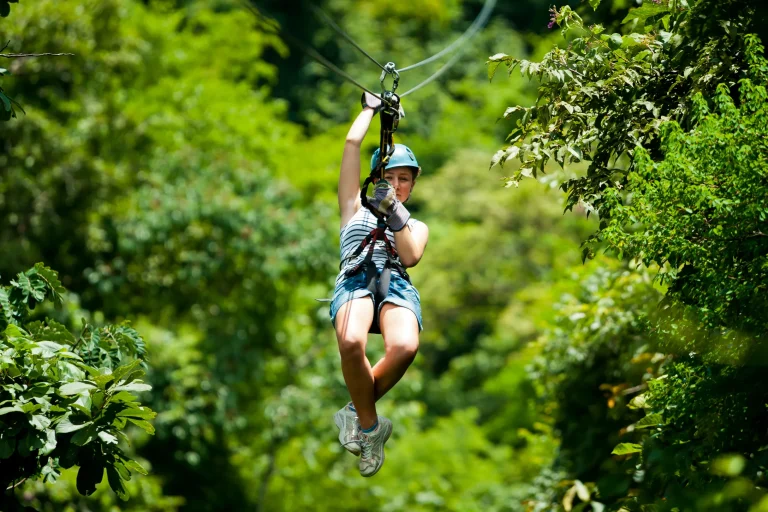
You show up for a zipline tour expecting forest views and a clean whoosh of steel cable, but a few small mistakes can turn it into a clunky slog. If you’re tired or hungover, that hike to the first platform feels longer. If you skip the briefing, you miss the tiny cues about braking and landing. Loose phones rattle in pockets. Cotton stays damp. Sandals slip. And if you don’t ask about backup brakes, you might get a surprise.
Key Takeaways
- Showing up hungover, exhausted, or medicated reduces balance and reaction time, and guides may remove impaired guests.
- Skimming the safety briefing causes mistakes in hand placement, braking rules, rider orientation, and platform exit timing.
- Wearing poor clothing or footwear, loose fabrics, dangling accessories, sandals, or heavy boots, causes chafing, snags, and slips.
- Forgetting a pocket and loose-item check leads to lost phones, keys, and jewelry, or painful jabbing from items under the harness.
- Trying to film handheld without approved tethers or mounts creates distraction and drop risk, and may violate operator rules.
Don’t Zipline Hungover or Exhausted
Even if you can laugh off last night’s big toast, a zipline course won’t. If you show up hungover, your balance slips and your reaction time drags. Your judgment gets fuzzy right when you clip in, land fast, or need an emergency stop. Exhaustion does the same thing. It saps core strength so you can’t hold the right body position on a humming cable. During the safety briefing, you need sharp ears. Operator instructions cover hand placement, braking, and how to step off the platform. Guides also explain backup safety systems like secondary harness connections and braking setups, and you need a clear head to follow them. Skip alcohol, check meds that cause impairment, and plan real hydration. Guides can cancel your slot, and removal of impaired guests is normal. Your ride stays smooth and staff stays relaxed. You’ll hear the forest better when you’re clear.
Wear Zipline-Safe Clothes (No Chafing, No Snags)
While you’re picturing that first glide over the treetops, take a minute to dress for the harness and the hardware. Pick close-fitting shorts or light trekking pants with mid-thigh coverage to prevent harness chafing when straps press and squeak. In warm air, choose moisture-wicking fabric, not cotton, so you feel cool and glide past friction. Always remove dangling accessories, and go with no scarves. Strap points hate surprises, so avoid loose fabrics that billow and snag. Packing a small bottle of insect repellent can also keep distractions low while you wait at platforms in the North Shore forest.
Risk | Wear | Benefit
—|—|—
Chafe | mid-thigh coverage | stops strap rub
Snag | avoid loose fabrics | keeps clips clear
Sweat | moisture-wicking | cuts friction
Tangle | tie long hair back | stays out of gear
Wear closed-toe shoes with low-profile uppers. You’ll move faster at platforms, hear the zip, and smile more today.
Choose Closed-Toe Shoes for a Zipline Tour
On a zipline tour, you’ll want closed-toe shoes with real tread so your feet stay planted on slick wooden platforms while pulleys hum overhead. Your toes also need a hard shell for the little bumps, like when you tap a step or clip gear brushes past on a fast zip. If the weather shifts, bring lightweight layers so you can stay comfortable from cool morning starts to warmer mid-day runs. Tie your laces snug and do a quick check before you launch, because loose strings love to snag at the worst possible time.
Traction On Platforms
Often, the biggest slip-up on a zipline tour happens before you ever leave the platform. Platform surfaces can feel like polished wood after dew or rain, and that raises your slip risk fast. Wear closed-toe athletic shoes with good tread and rubber soles, plus low heels, so you get real grip and stability on wet or angled platforms and narrow launch platforms. Shoes with strong traction also help you stay steady if the approach gets muddy between platforms.
- Pick lightweight, well-fitting shoes, not heavy boots that shift your balance.
- Double-check securely tied shoes before you climb stairs or step into the harness.
- Read the operator’s rules ahead of time, since closed-toe shoes may be required.
Do a quick shuffle to check traction. Do this and you’ll hear the cable hum, not your guide saying, “Nope, not today.”
Still comparing Common Zipline Tour Mistakes That Make The Day Harder?
Ask for tour ideas, hotel suggestions, or a simple trip plan that combines both.
Trip Helper
Toe Protection From Impacts
Good traction keeps you upright at the launch, but toe protection keeps you smiling at the landing. On a zipline, hardware clacks and gravel bites, and your toes are closest to trouble in the landing area. Closed-toe shoes give a real barrier when you bump a brake block or help carry trolleys. Most tours provide essentials like helmets and gloves, so prioritize packing the right footwear as part of your zipline gear guide plan.
Skip sandals, flip-flops, platforms, heels, and heavy boots. They add trip hazards, mess with harness fit, and can fly off. Sturdy athletic shoes or hiking pairs with ankle support and a snug tread cut entrapment risk when a sudden stop pitches you forward. Pick low-profile shoes with no big gaps, then tie secured laces so nothing snags or pinches. That’s simple footwear safety. You’ll hear the zip hum, not your feet complaining.
Secure Phones, Cameras, and Loose Accessories
Before you clip in, do a quick pocket check and move anything loose into a zippered pouch that sits close to your body. Tether your phone or camera with a wrist or chest strap and double-wrap dangling bits so they don’t whip in the wind or go clack-clack on the metal. Use a phone tether even if you plan to film, so your device stays attached if it slips out of your hand mid-ride. Secure hats and stray straps before you launch, because at zipline speed even a tiny loose end can turn into a flying souvenir.
Pre-Ride Pocket Check
Take a quick sweep of your pockets as you step up to the launch platform, because anything loose can turn into a tiny rocket once you’re rolling at 25 mph (40 kph) or more. Before the guide clips you in, do this pocket check:
- secure phones and cards in zippered pockets or a wrist-mounted tether. Don’t trust shorts
- empty pockets of keys and coins. Metal can jab your harness and become loose items at braking
- remove sunglasses, stow jewelry, and secure hair. Tuck scarves and hats so nothing snags
If you’re bringing your phone along, choose a secure strap rather than relying on a pocket so it can’t slip out mid-ride.
If you’re filming, skip handheld. Use action-camera mounts or a double-wrapped wrist strap so your GoPro stays put while the cable hums above the trees. It’s more fun when your gear isn’t trying to escape
Tether Devices Properly
Clip in your gear like it’s part of the harness, not an afterthought. Before you launch, secure phones and cameras with wrist or chest tethers rated for real load, so a slip doesn’t become a falling brick. Choose short strong lanyards under 30 cm and pair them with quick-release connectors made for aerial sports, not keychains. As a beginner, do a quick pre-ride check to confirm every tether and zipper is secured before you step onto the platform.
For action cameras, stick to manufacturer-approved mounts and let staff tug and retighten them. Then stow small objects like keys or sunglasses in zippered pockets where wind can’t steal them with a whistling snap. If the rules ban loose items, leave items in secured bins and enjoy the view. You’ll also avoid improvised straps that snag hardware and slow the whole group. Your ride stays smooth. Guides smile.
Secure Hats And Straps
Often, the biggest zipline surprise isn’t the speed. It’s the sudden tug of wind at the terminal and the rattle of your gear. Before you launch, take one minute to secure hats and anything that can fly.
- Secure phones and cameras with a wrist tether. Wrap it twice or use a GoPro chest mount so you don’t watch your screen vanish at 25 to 40 kph.
- Wear a snug chin-strapped helmet, or a hat with a chin cord. Fasten sunglasses with a retainer strap.
- Remove loose accessories and store small items in zippered pockets. Keys, cash, and rings don’t belong on the platform floor, unless you like scavenger hunts.
If you want worry-free memories, consider a photo package instead of trying to film everything yourself mid-ride.
You’ll hear the pulley sing, feel cool air on your gloves, and land calmer too.
Don’t Skip the Zipline Safety Briefing
Before you step off the platform and hear the trolley start to hiss on the cable, make time for the safety briefing. It’s not filler. Each line can feel different, and staff training updates how you ride it today. You’ll learn rider orientation, whether hand-braking is used, and the exact release cues for launch and landing. You’ll also get a clear rundown of the tour flow from check-in through your final line and landing procedures.
You’ll also watch a fast gear check. Confirm harness fit, then look at every carabiner and clip for proper closure and direction. Guides review emergency procedures, including what to do if you get stuck, so you don’t invent a cowboy rescue midair. They’ll cover loose items and camera rules too. Your necklace and your GoPro both want to fly. Listen close, ask one question, and you’ll glide calmer.
Don’t Book a Zipline Without Backup Braking (EAD)
Even if the platform feels solid under your boots and the forest air smells like pine, you should still ask what stops you at the far end of the line. ACCT Standards expect a stand alone Emergency Arrest Device on faster runs, and it’s smart on any line. If the primary brake fails from wear, a cut, a bad knot, or plain operator error, you don’t want your impact trolley meeting the bumper at full song. If you do end up stranded mid-span, well-drilled teams follow rescue procedures to reach you and get you moving safely again.
- Confirm there’s automated braking plus a backup braking system that engages without you.
- Ask what type they use, like spring packs, and who engineered it for that span.
- Watch zip line operators do inspection and reset between riders and log it before you clip in.
On Fast Ziplines, Make Sure You Face Forward
Backup braking keeps you from rocketing into the platform, but on fast ziplines it also changes how your body moves in those last loud seconds. When an emergency arrest device grabs, the braking system can snap you upward and twist you. If you don’t face forward, that pivot can swing your helmet toward the cable and the impact trolley, turning arrival speed into trouble and head trauma. Ask how they lock rider orientation before you launch. A chair-style setup or an Impact Trolley with a pivoting handlebar keeps your chest pointed downline on zipline runs. If you feel sharp pressure, numbness, or a pinching sensation in the straps, speak up right away because those are harness fit warning signs. Skip hand braking and keep hands low and out of the impact zone since stops can pinch. You’ll hear the whir soften, then feel a tug, and arrive grinning.
Avoid Zipline Tours That Rely on Hand Braking
Although a guide with tough gloves can slow you down by grabbing a brake rope, you don’t want your landing to depend on perfect timing every single run. On high-speed lines, hand braking turns every arrival into a small gamble, and you can hear the trolley sing louder as you come in hot. It also puts staff close to the cable, the impact trolley, and the pivoting handlebar, which can mean burns, crushed fingers, or wire-rope lacerations. Active systems use automatic braking to deliver consistent stopping performance without relying on an operator’s grip strength or timing.
- Look for automatic primary braking that works the same for every rider.
- Ask if a separate EAD backs it up, as ACCT Standards recommend.
- Peek at the operator manual or ask how they manage operator-dependent failure and keep flow moving without slowing your adventure.
Before You Launch, Confirm the Brake Is Reset
When you step up to the launch platform and hear the cable hum in the wind, take ten seconds to confirm the brake has fully reset before you clip in. No rush, just certainty. Ask the guide for a quick look: brake reset confirmed, impact area clear, and verify previous rider clear past the landing mats. Watch the spring pack sit right. Scan the brake ropes and pulleys for snags. Check reduction lines untwisted so nothing binds. A between-rider checklist keeps the rhythm steady. You’ll see staff record completion on a card or tablet. Safety briefings are often plain English versions of the rules so you can follow each step without guessing. If an automated brake fails to cycle on time, don’t “just send it.” Tell them to remove line from service and troubleshoot. That’s how you meticulously perform the fun part.
Frequently Asked Questions
Can Kids or Seniors Participate, and Are There Age Limits?
Yes, don’t assume age blocks you; join if you meet height requirements, health screenings, training duration. Kids need guardian consent, parental supervision, child harnesses, age waivers; seniors check medical restrictions, mobility accommodations, senior discounts by operator.
What Are the Typical Weight Limits for a Zipline Tour?
You’ll see typical limits: minimum weight 40–50 kg, max 100–136 kg, but operator discretion, gear capacity, weight distribution, seasonal variations, child restraints, medical exemptions, and combined weight or tandem limits can change what you’re allowed.
What Happens if It Rains or the Weather Changes Suddenly?
When sky flips, you’ll face weather delays or rain cancellation; staff halt for lightning risks. You manage wet gear, visibility issues, trail muddiness, hypothermia risk, gear slippage, and follow emergency evacuation plans; note shelter availability.
Do I Need to Book in Advance, and What’s the Cancellation Policy?
You should book early, especially in peak seasons, and confirm deposit requirements. Ask about cancellation timeframe, refund windows, last minute cutoffs, reschedule fees, voucher validity, policy exceptions, and group discounts apply if no-shows reduce numbers.
How Long Does a Zipline Tour Usually Take From Start to Finish?
You’re not just zipping a line, you’re bending time: average duration is 2–3 hours. Tour length/total time includes 1.5–2 hours run time/ride length, plus session duration for itinerary timing: transfer time, waiting periods, briefing length too.
Conclusion
You’ll have more fun when you arrive rested, listen close, and check your gear twice. You’ll feel the webbing snug on your hips, hear the pulley hum, and see treetops tilt below. You’ll keep phones clipped, hair tied back, and pockets empty. You’ll ask about EAD braking, face forward on the fast lines, and confirm the brake is reset. Then step off, smooth, ready. Do that, and the only thing flying off is your grin.