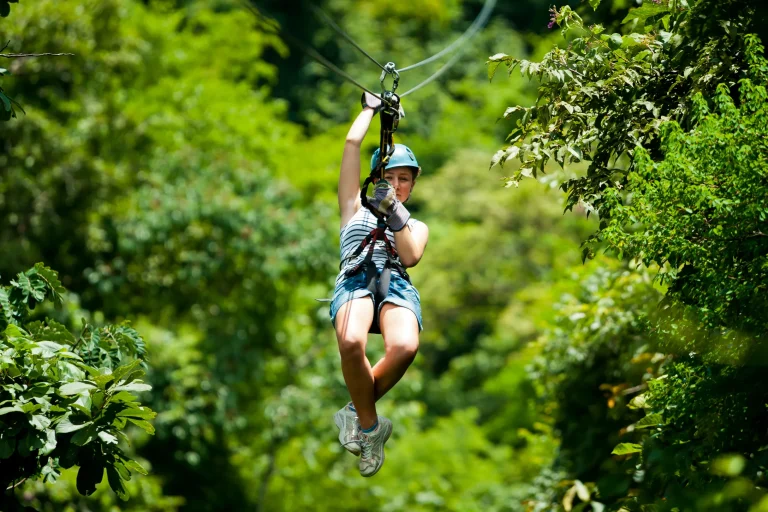
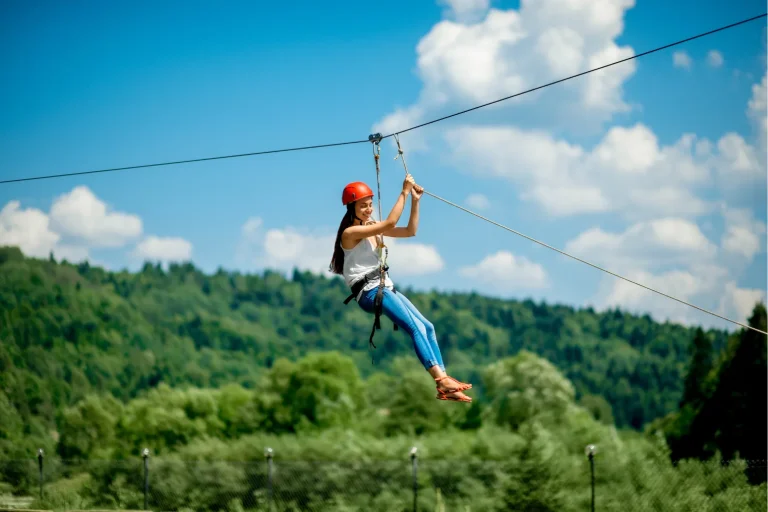
If you’re worried you’ll feel unsafe up there, you won’t just “wing it” on a zipline tour. You show up early, flash your ID, sign waivers, then a guide cinches you into a harness (the strap system that holds you) with a helmet and gloves. Next comes a safety talk and a short practice line to learn braking and hand signals. After that, the real launch begins…
Key Takeaways
- Arrive early, confirm your reservation, show ID if needed, and sign the waiver after reading policies and asking questions.
- Wear closed-toe shoes and secure clothing; avoid loose jewelry, scarves, and unsecured phones or cameras that could fall.
- Get fitted for harness, helmet, and gloves; guides adjust straps for comfort and double-check buckles, clips, and safety backups.
- Attend the safety briefing and practice line to learn clipping in, launching, braking, hand placement, and what to do if stopped mid-line.
- Move platform to platform by hiking and riding each line; follow guide signals, braking instructions, and weather-related adjustments through the final run.
Zipline Tour Steps: Check-In to Final Line
Whether you booked weeks ago or just wandered up on a whim, a zipline tour usually starts the same way: you check in, sign a waiver (a legal “I understand the risks” form), and meet your guides at a staging area that smells like sunscreen and pine.
Next you’ll get a harness and helmet, then try a short trainer line to learn the brake system, how you slow at the end.
Afterward you hike between platforms. Clip in. Glide. Unclip. Repeat.
Build in weather delays, especially if clouds roll over the ridgeline.
At each tower, guides suggest where to look for the best views and offer photo packages if you’d rather stay hands-free.
Wear closed-toe shoes and secure loose items, most tours require closed-toe footwear for safety and won’t allow dangling phones or cameras on the lines.
The last run is often the longest and fastest for you.
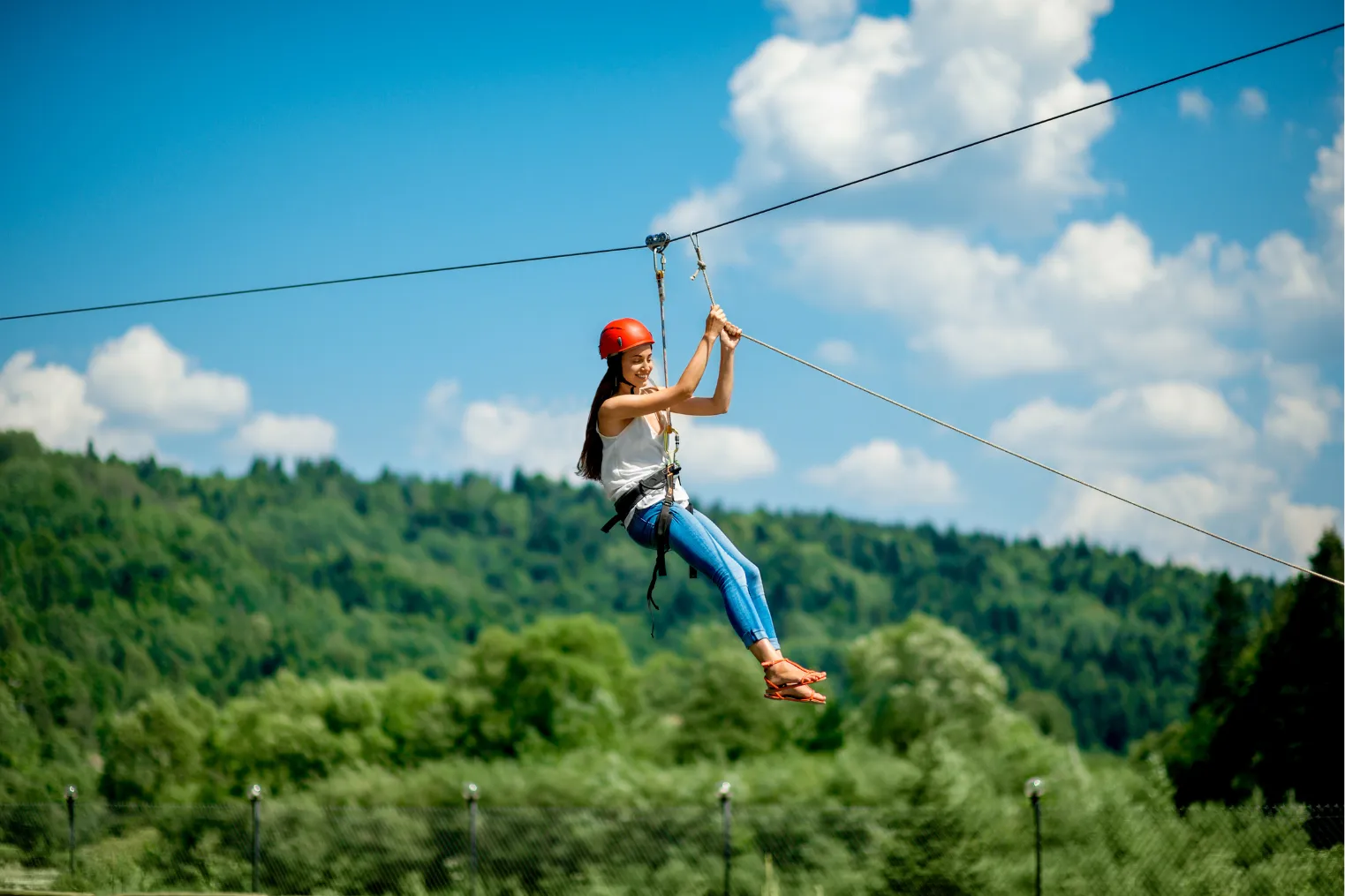
Check-In, Waivers, and What to Wear
Show up a little early and you’ll start your zipline day on the right foot. Good arrival timing means you can park, find the office, and breathe before the schedule tightens. Plan for a little buffer time so you can handle check-in and waivers without feeling rushed. At the desk, you’ll confirm your reservation, show ID if asked, and sign a waiver, a legal form saying you understand the risks. Read it. Ask questions.
Then dress like you’re heading for a breezy hike. Closed-toe shoes, snug enough to stay put. Light layers you can move in, with pockets zipped or empty. Skip scarves, dangly jewelry, and anything you’d hate to lose. Bring sunscreen and water in a small bag for packing essentials, plus a hair tie for long hair. Phone? Only if you can secure it during the ride, too.
Getting Fitted: Harness, Helmet, Gloves
Next up, you’ll get geared up, and this is where the day starts to feel real. A guide sizes your harness so weight distribution sits on your hips, not your stomach. You’ll feel snug, like a backpack belt. They clip in leg loops and double-check buckles. Then comes the helmet: you want it level, not tipped back, with a firm chin strap adjustment you can still talk through. Gloves go on last, thin leather that lets you grip without losing feel. Many North Shore tours also confirm your system has backup safety lines before you head to the first platform.
| Gear | What you check |
|---|---|
| Harness | No twists, buckles flat |
| Leg loops | Tight, not pinching |
| Helmet | Sits low on forehead |
| Chin strap | Two-finger space |
| Gloves | Full finger coverage |
If anything rubs or feels loose, speak up now; small tweaks save big discomfort later on.
Safety Briefing + Practice Line (What You’ll Do)
With your harness snug and your helmet locked in, the guide gathers everyone for a safety briefing and a quick run on a practice line. You’ll learn what each piece does, including the lanyard (the strap that keeps you attached) and the trolley (the small wheel unit that rolls).
The guide points out common mistakes: loose hair, dangling phones, and hands in the wrong place.
Then comes guide practice. You clip in, take two careful steps, and feel the cable hum under your weight. Short. Controlled. Your job is to stay relaxed, keep your knees soft, and follow instructions exactly.
Before you move on, you’ll review emergency procedures, like what to do if you stop mid-line or need help. The guide will also translate key rules into plain English so you know exactly what to do and why. Ask questions now. No shame.
Platforms, Signals, Braking, and Landings
As you roll in, keep your hands on the tether (the strap above you) and your legs slightly bent.
Near the next deck, the Brake systems take over. Some lines use a spring stop, others a guide-controlled rope brake.
Either way, stay relaxed, look ahead, and let the platform catch you.
If you don’t make it to the platform and stop mid-line, guides follow established rescue procedures to reach you and get you moving again safely.
Walk off. Breathe. Repeat.
If wind picks up, expect slower rides and tighter landing instructions.
Frequently Asked Questions
Can I Bring My Phone or Camera, and How Should I Secure It?
Yes, you can bring your phone or camera, but you’ll need to keep hands free. Use secure pouches with zippers, tether devices to your harness, and choose approved camera mounts, never hold gear while zipping along.
What’s the Cancellation or Rescheduling Policy for Bad Weather?
About 30% of tours face weather delays yearly; you’ll get rescheduled at no cost if guides cancel for safety. If you cancel, you’ll pay rescheduling fees and follow the refund timeline, usually 5–10 business days.
Are Zipline Tours Safe for People With Fear of Heights?
Zipline tours can be safe if you fear heights, but you’ll need to manage anxiety. You’ll get gradual exposure on shorter lines first, use guided breathing, and you can stop anytime if overwhelmed.
Is There a Weight Limit, and Does It Vary by Course?
Like a pendulum finding balance, you’ll face weight restrictions on zipline tours, and yes, they vary by course. Operators set load limits for each line’s span and speed, so you should check specifics before booking.
Can Spectators Watch, and Are There Trails to Follow the Tour?
Yes, spectators can usually watch from designated Viewing platforms, and you’ll often find trails that let them follow along. Ask staff about Guided followups, access points, and safety rules, since options vary by course.
Conclusion
You’ll start with IDs and waivers, then guides dial in your harness (the belt-and-strap system that holds you), helmet, and gloves. Next comes the briefing and a short practice run so you can learn signals and braking. After that it’s a clean loop: clip in, launch, glide, land, unclip, hike, repeat. Like beads sliding on a wire, each line clicks into place. Stay hydrated, listen fast, trust the gear, and enjoy it.