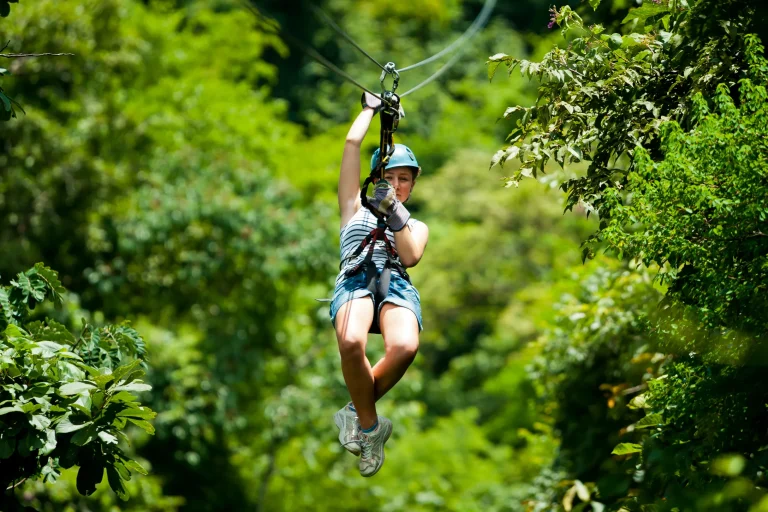
Like a scene from an Indiana Jones light version, you can trade a sweaty ridge hike for a harness and a quick shuttle up the slope. On the North Shore, you walk short flat forest paths between platforms and then you’re suddenly gliding over green canopy with ocean flashing in the distance. Guides handle the gear checks and the nerves. You just show up, listen, and step off. But should you?
Key Takeaways
- Choose beginner-friendly North Shore tours lasting 2–3 hours with minimal hiking; walks between lines are usually 1–10 minutes on mostly flat trails.
- Pick operators with ATV or shuttle access to ridgetop platforms to reduce walking and stairs.
- Book morning departures for calmer wind, clearer views, faster progression, and fewer rain squalls.
- Arrive 20–30 minutes early for waivers, weigh-in, safety briefing, and harness fitting; Waikiki shuttles add 15–30 minutes.
- Confirm restrictions and safety rules: common weight caps 250–275 lbs, minimum ages vary, and tours pause or cancel for high winds or lightning.
Is North Shore Ziplining Worth It for Beginners?
If you’ve never clipped into a harness before, North Shore ziplining can still feel like a sure-footed yes. On most North Shore zipline tours you spend about 2 to 3 hours hopping between lines with minimal hiking. Short forest walks and ATV access carry you to ridgetop platforms, so your legs stay fresh. A popular option is a Half-Day North Shore Zipline Plan that starts from Waikiki and gets you to the North Shore without adding extra hiking.
Guides give a crisp safety briefing, fit your helmet and harness, and inspect clips again and again. Lines may run 300 feet to nearly half a mile and sit 70 to 150 feet above the trees. You’ll hear the pulley hum and feel quick gusts, not a long uphill grind. Expect $150 to $260 and confirm photos and shuttles. Book morning for usually calmer air on an Oahu North Shore zipline.
Who Should Book a North Shore Zipline Tour?
You’re a great fit for a North Shore zipline tour if you want a 2 to 3 hour half-day rush with minimal hiking and lots of smooth flying over green ridges with ocean peeks. Solo visitors can also look for zipline tours that are especially friendly to independent travelers on the North Shore. You can also bring the crew since many courses welcome kids as young as 5 and some offer tandem rides, and if you hate muddy climbs you can pick an operator with ATV or shuttle rides up to the platforms. You should skip it if you’ve got severe fear of heights or you can’t swing the 60 to 90 minute drive from Waikiki, but if you book a morning slot you’ll often beat the rain squalls and the crowds.
Best Fit Travelers
Often, the best match for a North Shore zipline tour is a beginner or a family that wants a half-day adventure without turning it into a sweaty hike. Most courses run 2 to 3 hours, with short walks between platforms, so you stay fresh and curious. If you want views without trekking, pick an easy-access site like CLIMB Works at Keana Farms. You’ll ride up or stroll a boardwalk to ridgetop lines, then hear the pulley hum as you fly over fields toward ocean blue and rainforest green on 300 to 900-foot runs in minutes. It’s also family friendly. Some operators welcome kids as young as 5, with tandem options, and guides keep the group moving so you rack up more zips than steps. If you’re traveling with a small crew and want a more personalized pace, consider Private North Shore zipline tours and compare experience options against pricing before you book.
When To Skip It
Although North Shore ziplining looks like pure freedom from the ground, it isn’t the right call for every traveler once the platform ladder creaks and the drop comes into view. If you have a severe fear of heights, some platforms sit 150 feet up.
Skip it if you’re pregnant or have serious back, neck, or heart conditions unless a doctor clears you. Check the weight limit. Many outfits cap you at 250 to 270 pounds and they weigh you on site. Hawaii operators may also run separate zipline weight limits for kids versus adults, so confirm your exact tour’s rules before you book. If you can’t do big hikes and you can’t handle stairs, muddy paths, or rough parking, pick a Waikiki course. Also, if you need a fast thrill, the 60 to 90 minute drive back can eat your afternoon when traffic clogs the highway.
Still comparing North Shore Ziplining For Beginners Who Can’t Do Big Hikes?
Ask for tour ideas, hotel suggestions, or a simple trip plan that combines both.
Trip Helper
Who Should Skip It (Fear of Heights, Motion, Etc.)?
If your stomach flips just watching someone step onto a high platform, North Shore ziplining might not be your best “let’s try it” moment. Platforms feel exposed near 150 ft, and canopy gaps can trigger vertigo and fear of heights. Prone to motion sickness? Quick launch drops, wind noise, and fast surges can bring nausea. Some people find ziplining can trigger motion sickness thanks to speed changes and visual motion. If you’re pregnant, skip it. Also sit out with serious back, neck, or recent surgery issues. If you’re over posted weight limits, operators will turn you away. High winds or rain can halt lines, and the loud waiting can raise stress.
| Trigger | What it feels like |
|---|---|
| Heights | Knees go wobbly, tunnel vision |
| Speed | Stomach lurch, dizzy swirl |
| Wind holds | Loud flapping, stuck waiting |
| Medical limits | Sore spine, strained neck |
What Are the Age, Weight, and Health Rules?
Before you picture yourself gliding over the North Shore treetops, check the fine print on age, weight, and health rules because crews enforce them on the spot. Minimum age changes by operator, but many start at 5 to 10, and kids may need an adult chaperone. At check-in you’ll step on a scale, then staff fit your safety gear, so expect strict cutoffs. Keep in mind zipline age limits differ for kids, teens, and adults depending on the North Shore course.
Most courses cap weight around 250 to 275 pounds, sometimes tied to height or specific lines. If you’re very light, roughly 40 to 70 pounds, you might ride tandem with a guide. Pregnancy and serious back or medical issues often trigger medical disqualification unless a doctor and the operator approve. Confirm the exact limits before you book and arrive early, relaxed.
How Safe Is North Shore Ziplining (and Why)?
You’re clipped in tight, and your guides keep it that way with helmet and harness checks before every launch plus a quick practice run so you know the brake cues and hand signals. Still, you’ll feel the height when the platform creaks under your boots and the wind hums in the cables, so it helps to know what risks come from weather and exposure. Operators will pause tours during wind holds when gusts or sustained wind speeds could affect rider stability and braking control on the line. Next, you’ll see how trained staff, backup systems, and smart wind holds work together so you can focus on the forest views instead of your “what if” voice.
Guide Training And Checks
Although the treetops on Oahu’s North Shore can feel wild and far from everything, the zipline routine stays firmly in the “checked and double‑checked” lane. You start with a hands‑on safety briefing. Your guide fits your harness, checks your helmet, teaches brake cues, and shows hand signals. You’ll do a low platform practice so the first launch feels like a rehearsal, not a leap of faith. At check in they weigh you to match strict limits, and kids may ride tandem. Guides also explain how the line’s brake systems work so you know exactly what slows you down at the end.
- Prelaunch gear inspections and harness rechecks before every ride
- Dual‑redundant safety backups clipped in, no shortcuts
- Continuous guide belay and ready retrieval on each platform
You bring closed‑toe shoes and secure your phone. Then you listen for the click, and the forest hush.
Weather And Height Risks
When the trade winds pick up and the clouds stack over the Koʻolau ridgeline, North Shore ziplining stays safe by slowing down on purpose. Guides watch for high winds and hard rain, and they’ll pause lines before you ever clip in. Most operators run tours in light rain but will stop or cancel for lightning or unsafe wind under their weather policy. Book a morning slot for calmer air and fewer squalls, then listen for the zip of pulleys and the hush of North Shore forests blending around you.
Height feels different up there. Some platforms reach up to ~150 ft, and you can hit near 40 mph, so your stomach may do a little hula. The system still brakes in a controlled way, but panic can sneak in. Take the training run, follow phone tether rules, and ask about wind-hold refunds before you go.
What’s Included in a North Shore Zipline Tour?
What exactly comes with a North Shore zipline tour besides the thrill of stepping off the platform? On the Oahu North Shore, your North Shore Zipline outing usually starts with weight and age checks, then a waiver. You’ll get safety gear: helmet, harness, gloves. Guides give a safety briefing and do harness checks before each launch. Backup systems add that calm click. You’ll hear leaves rustle between platforms. A typical tour flows from check-in to your last line with a quick orientation, practice points, and a wrap-up at the end as part of the tour timeline.
- Short nature walks between lines in ironwood shade
- Bottled water and snacks like granola bars or juice
- A round-trip shuttle from Hale‘iwa or nearby pickups if included
Afterward, you’ll get a quick debrief. Ask if photos or video come with your tour or are sold separately. Also skim the cancellation and rescheduling terms, often with 48-hour cutoffs.
How Much Does North Shore Ziplining Cost (Plus Fees)?
Since prices can look simple on the booking page but get real once you click “checkout,” it helps to know the full cost of North Shore ziplining before you show up in sneakers and sunscreen. Most North Shore zipline tickets land around $150 to $260 per person. Quick intro runs can dip near $120, while long multi line circuits may hit $300 plus on peak weekends. Add 10 to 15% in taxes and mandatory fees. Photo bundles or shuttles often tack on another $20 to $100. A common seven line course lists $149 per adult and $119 for kids 5 to 12. Tandem assisted rides can still cost full price. Many operators offer Reserve Now Pay Later options, which can help you lock in a spot without paying the full amount upfront. Book ahead, because late cancellations within 48 hours usually bring fees to stay flexible.
How Much Walking Is There Between North Shore Ziplines?
How far do you actually walk between North Shore ziplines? On most 2 to 3 hour tours, you’ll take short nature walks from platform to platform, usually 1 to 10 minutes each. It feels more like strolling a garden path than training for a hike. Plan a little extra time for parking so you’re not rushing to the check-in.
- Expect mostly flat dirt or boardwalk trails with only a few stairs.
- Choose family-friendly courses that keep distances tight and breaks frequent.
- Ask if an ATV shuttle or van ride takes you up to higher lines.
After rain, the trail can turn muddy and slick, so you’ll slow your steps and watch your footing. If you have mobility concerns, call ahead. Some operators can route you with minimal walking, while others still require steady steps and a few climbs.
What Does the Experience Feel Like (Views, Pace, Noise)?
You’ll move through a 2 to 3 hour tour in a burst-then-pause rhythm: clip in, launch, drop, and glide, then regroup on a platform that can sit 150 feet up in the trees. Between lines, the view flips from ocean blue through canopy breaks to deep green valleys under the Koʻolau ridges, with guava in the air and the occasional bird call or distant surf if the morning stays calm. On clear stretches, you can catch skyline views over North Shore forests and farms as you glide. On the longer, faster runs the wind gets loud at your helmet and can blur a guide’s voice, so you’ll lean on quick briefings and hand signals, plus a little grin that says you heard them even if the airflow didn’t.
Ocean-And-Rainforest Views
A clipped harness and a glossy helmet set the tone as the North Shore opens up in layers. On a morning zipline day with clear air, you lift off above ranch grass and slip into rainforest pockets. Canopy breaks frame the ocean like a moving postcard. Longer lines let you watch blue water widen while mountains stack behind you.
- Wind hisses at helmet level and you still catch distant surf and rooster calls.
- Wet earth and ripe guava smell rises when you step onto shaded platforms.
- Looking through a gap at your feet feels thrilling, so you focus on the horizon.
You may even spot native birds moving through the canopy between platforms. Your guides handle the gear checks. You just keep your closed-toe shoes planted and take the view. At times, an ATV rattles nearby.
Burst-Then-Pause Pace
Once the guide gives the nod and your trolley clicks onto the line, the day starts to feel like a series of quick fireworks followed by calm intermissions. You push off, get a small stomach-drop, then settle into a steady glide. On North Shore ziplines, the intensity comes in pulses. You roll in, brake, and step onto a platform to breathe and look around.
Between runs you cross a short sky bridge, tighten your gloves, and line up again. Because many courses use shorter lines, some rides end just as you start to grin. The trade is nonstop scenery shifts. One launch threads the wet green canopy, the next opens to blue ocean through a gap. That burst-then-pause rhythm keeps you surprisingly fresh too. A “good” tour also leans on solid guides to keep the flow smooth between those quick launches and calm platforms.
Wind, Wildlife, And Noise
That burst-then-pause rhythm also changes what you notice out there in the trees. On launch you get a quick stomach drop, then you settle into a steady glide that can stretch close to half a mile. The wind finds every canopy gap, especially on higher lines, and your helmet may really whistle like it’s practicing. Many North Shore courses are set in the Koʻolau foothills, so North Shore canopy views can open up between lines.
- Listen for birdcalls mixed with distant surf and the occasional rooster.
- Smell guava and ironwood as you wait on the next platform.
- Notice guide chatter, plus ATV or road noise, depending on the site.
Shore Ziplines vs your expectations comes down to time on each line versus time standing still. Platforms and sky bridges can feel exposed and loud when you look down, but the views keep you curious.
How Scary Is It: How High and How Fast Are the Lines?
How scary does North Shore ziplining really feel when you’re standing on a treetop platform and staring down through the leaves? On North Shore Ziplines, platform heights run about 70 to 150 feet. That’s enough to make your knees talk back when you spot the ground through canopy gaps. The launch gives a quick drop that can lurch your stomach.
Then the ride turns into a steady glide. You’ll hear wind at your helmet and the cable’s soft hum. Typical speeds run 25 to 40 mph, and longer lines can last close to a minute. Guides can send you tandem or coach your leg position to manage speed for nervous riders. If you want a more comfortable first run, aim for cooler temps by going earlier in the day on the North Shore. If heights hit your panic button, ask about lower beginner lines before booking.
Can You Bring Your Phone or Camera (Photo Rules)?
Pull out your phone for a quick canopy selfie and you’ll learn fast that North Shore ziplining has firm photo rules. Most operators let phones and small cameras ride along only when they’re fully secured in a zippered pocket or on a wrist strap, lanyard, or tether. Anything loose can fall, bounce, and become a projectile, so guides will stop you. Consider using a wrist strap or tethered case so you can film hands-free and still keep your device secured if your grip slips.
North Shore ziplining enforces strict photo rules: only tethered phones or zippered-pocket cameras allowed, loose gear becomes a dangerous projectile.
- Clip it in place on platforms and stash it between lines.
- Shoot in burst mode for that whoosh sound and blurred leaves.
- Ask at booking about photo packages and extra fees.
Drones are usually a no-go, so plan for handheld shots or the operator’s camera team. If your guide can clip your phone to a lanyard, say yes and keep your grip steady.
How Long Does It Take From Waikiki (Realistic Timing)?
Once you’ve figured out where your phone can safely live on the line, the next question is timing from Waikiki to the North Shore. For most operators, plan 60 to 90 minutes of drive time each way, depending on traffic. Leave earlier if you’re rolling out during 7 to 9am or 3 to 6pm, when a “quick” hour can stretch past 90 minutes.
On site, you’ll spend about 2 to 3 hours for check-in, a safety talk, harness fitting, the zip circuit, and de-gear. You should arrive 20–30 minutes before start time for waivers, weigh-in, and a last bathroom stop. Taking a Waikiki shuttle? Add 15 to 30 minutes for extra pickups. Some tours include Transportation from Waikiki all the way to the North Shore, which can simplify planning if you don’t want to drive. You’ll get an email reconfirmation within 24 hours, so check it.
When’s the Best Weather for North Shore Ziplining?
If you want the clearest ocean views and the smoothest ride, you’ll usually score best weather on a morning tour with calmer winds and crisp light. By afternoon, the North Shore can flip the script with quick rain squalls, louder gusts in the trees, and hazier visibility, so a thin rain jacket feels like a smart little upgrade. Morning runs tend to bring calmer winds and a brighter, more relaxed vibe, while afternoon tours often feel moodier and more changeable. Wind matters most for safety and comfort, so you should call your operator the morning of your run to confirm conditions and the pause or reschedule plan.
Morning Tours Vs Afternoon Squalls
Most days, the North Shore feels calmest in the morning, and that’s when ziplining clicks into easy mode. If you want smooth pacing and bright ocean-and-ridge views, choose morning tours and book early for the first slots. North Shore microclimates often build quick afternoon showers, so later starts can mean pauses and schedule shuffles.
- Quieter platforms, faster line movement, and cooler air on your cheeks
- Better photo light on the water and green slopes, especially in spring or fall
- Fewer surprises if you call to reconfirm within 48 hours before the 60 to 90 minute drive to Keana Farms
If the forecast looks shaky, pick a rain-or-shine course but read the policy. Many refunds need 48-hour notice. You’ll thank yourself when plans stay simple.
Wind, Rain, And Visibility
Morning tours set you up for calmer pacing, and the weather often seals the deal. On a North Shore zipline day, early hours usually bring fewer rain squalls, softer breezes, and bright light that makes the ocean look like glass.
Still, wind and rain call the shots. Operators run rain or shine, but they’ll pause or cancel for gusts or downpours, so check your reconfirmation email or call ahead. Ask about their wind limits, holds, and refund or reschedule rules. Visibility can flip fast when a squall slides over the Koʻolau ridges. Fog and low clouds can mute those panoramas. For the best views, aim for clear days with calm air. Wear lightweight layers and pack a thin rain jacket. Ridgeline chill is real.
What to Wear: and What to Do Nearby After Your Tour?
Often, the best part of a North Shore zipline day starts with what you put on and ends with what you eat after. Bring closed-toe, long shorts or pants, and a fitted light layer so the harness sits flat and your legs don’t chafe.
- Strap on sunglasses, or use a retainer, and pack a thin rain jacket
- Wear light gloves or ask for grip gloves, and skip dangling jewelry
- Secure phones in a zip pocket or on a lanyard between lines
After your tour, roll into Haleʻiwa for garlic shrimp or lunch by Giovanni’s, then reset with shave ice and local eats. Prefer quiet? Stop at a beach or farm stand for a sunset. Plan 60 to 90 minutes to Waikiki
Frequently Asked Questions
Do I Need Reservations, or Can I Book Same-Day?
You’ll want reservations, do advance booking 48+ hours ahead, since seasonal demand sells out, especially weekends. You can sometimes book same-day if there’s walk up availability; call first. Check the cancellation policy before paying online too.
Is There a Restroom Available During the Course?
Yes, you’ll find restrooms at check-in, like a pit stop before you soar above the trees. Guides point out restroom locations, sometimes portable toilets mid-course. Restroom accessibility fades once harnessed, but restroom maintenance stays solid overall.
Are Lockers or Secure Storage Provided for Valuables and Bags?
Yes, most tours provide secure storage at secure check in, like staff lockers or on site safes for phones, keys, and wallets. You’ll usually leave bulky bags behind; bring waterproof bags only if allowed.
Can I Participate if I’M Pregnant or Recently Injured?
No, most operators won’t let you zipline pregnant or recently injured. With over 90% screening at check‑in, you’ll need medical clearance; even then, modified harnesses, weight limits, and pregnancy trimesters rules can still bar you today.
Are There Tips or Gratuities Expected for the Guides?
Yes, guides usually expect guide tipping. Follow local gratuity customs: tip 10–20% of your ticket or $5–$10 per person per guide. Bring small-bill cash tips, since cards may not work. Tip etiquette: higher for extra help.
Conclusion
You don’t need a big hike to get a big view on the North Shore. You ride up by shuttle or ATV, walk a short flat path, then clip in while the forest rustles below. Your guide checks your harness, counts you down, and the cable hums like a tight guitar string. Then you’re out over green canopy with a flash of ocean ahead. Landings feel soft, snacks help, and you’ll wonder what took you so long.